A computer heat sink is a thermal management component designed to remove heat from high-power electronic parts such as the CPU and GPU. In simple terms, it is a metal device that absorbs heat from a chip and releases it into the air or a cooling medium, preventing overheating and performance loss.This is also closely related to the question “what is a computer heat sink”—it is essentially a passive cooling structure that keeps electronic components within safe operating temperatures.
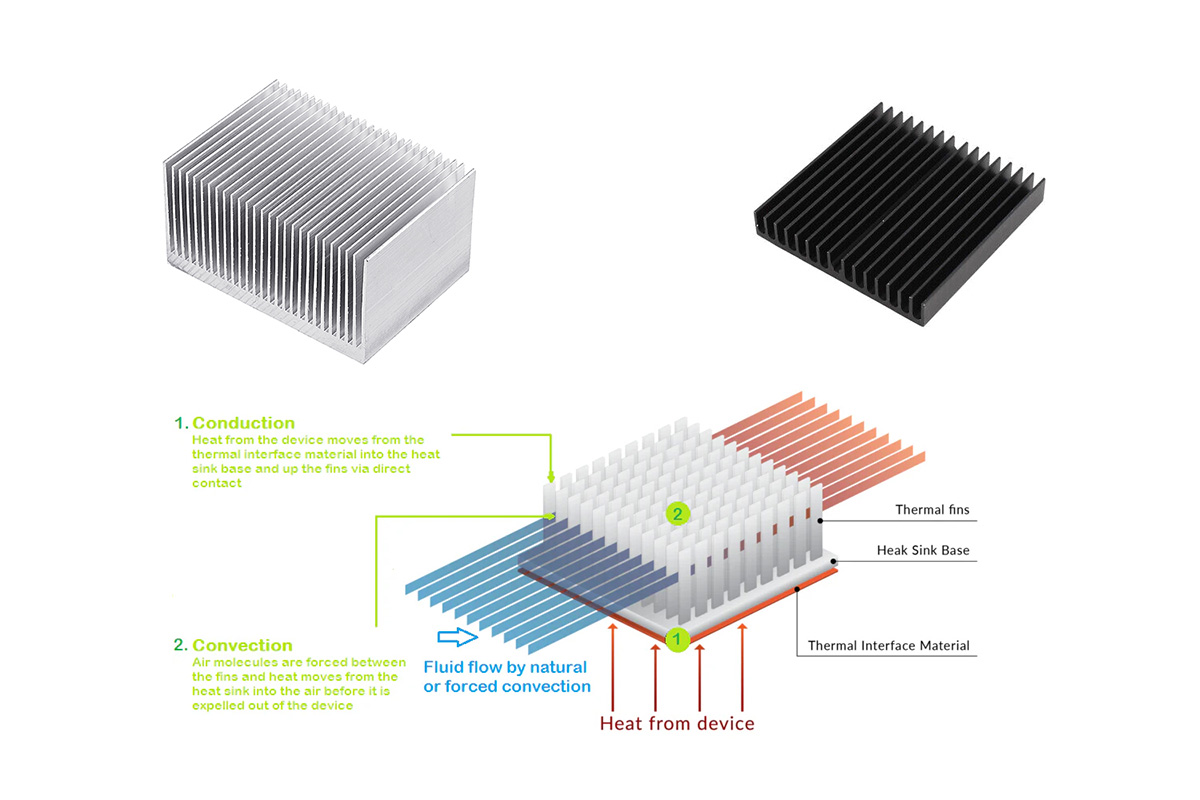
How a heat sink works
A heat sink in a computer works through three basic steps: heat absorption, heat spreading, and heat dissipation.
1. Heat absorption (from CPU/GPU)
When a CPU or GPU runs, it generates heat due to electrical resistance.
The heat is first transferred from the chip to the heat sink base through direct contact, often using thermal paste to improve conductivity.
2. Heat spreading (inside the metal body)
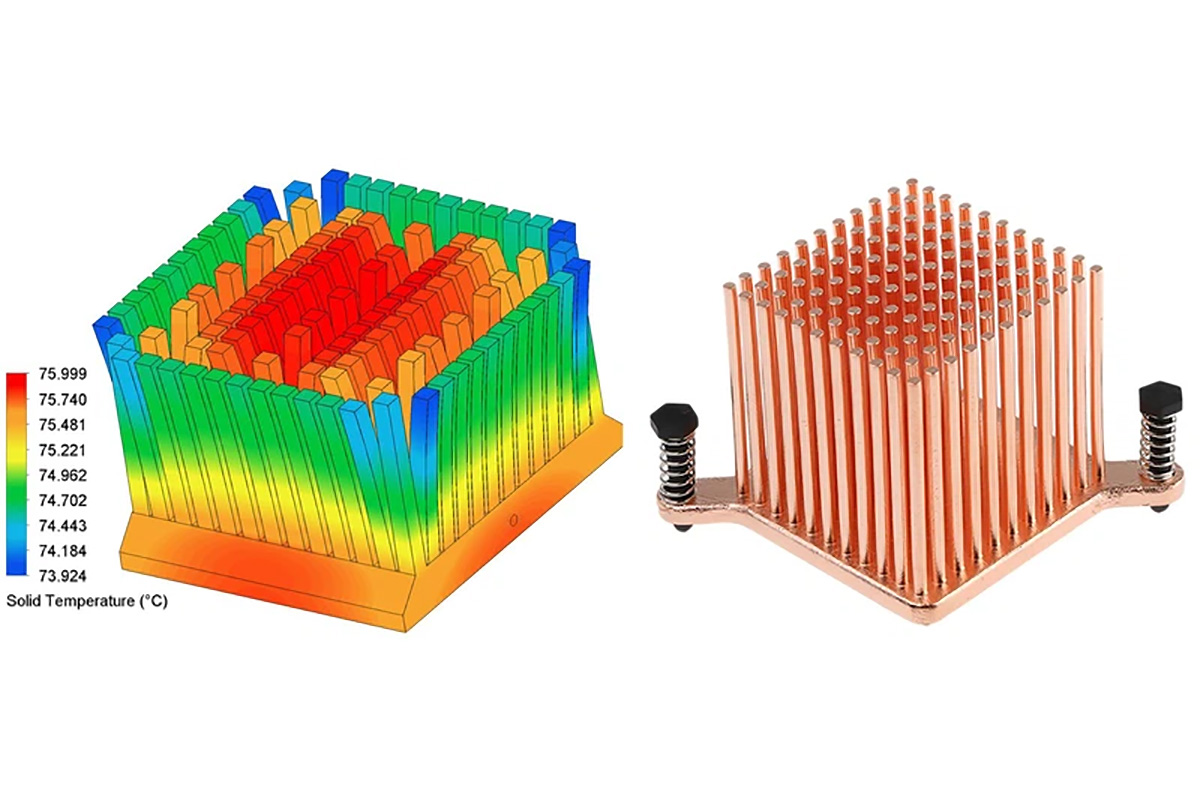
Most heat sinks are made from aluminum Heat Sink Materials or sometimes Copper Heat Sink designs.
The heat spreads through the metal base into a structure of thin fins, increasing surface area.
3. Heat dissipation (to air or liquid)
The heat is released into the surrounding environment:
With air cooling heat sink, a fan blows air across fins to remove heat faster
In advanced systems, heat may transfer to liquid cooling components
This is why high performance heat sinks are often paired with active cooling systems in modern electronics.
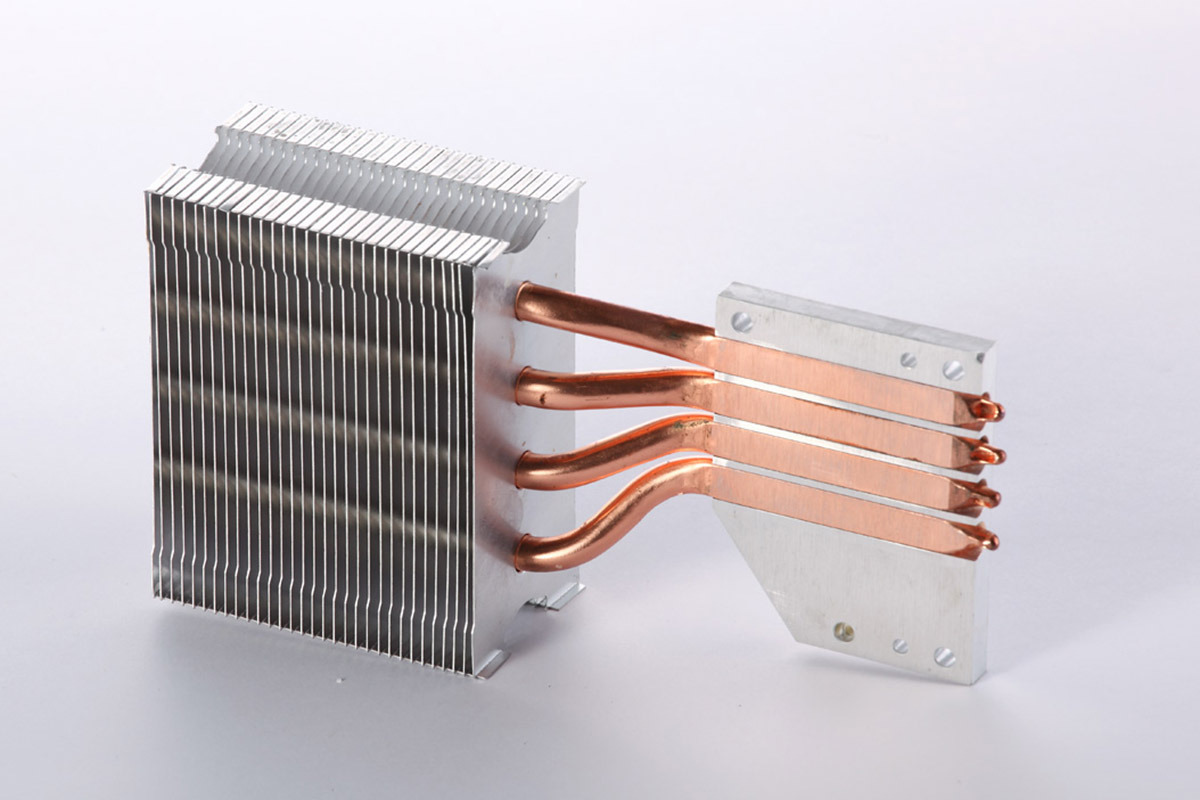
Simple working diagram (conceptual)
CPU / GPU
⬇ (thermal paste transfer)
Heat sink base
⬇
Metal fins (aluminum or copper heat sink)
⬇
Airflow (fan or natural convection)
⬇
Heat released into environment
Common types of heat sinks
Different applications require different thermal designs:
Aluminum heat sink – most common in consumer electronics
Copper heat sink – used in high thermal load systems
Power electronics heat sink – used in inverters, drives, and industrial systems
Industrial Heat Sink solutions – customized for high-power equipment
Custom heat sink – designed for specific thermal requirements
Custom heat sink design – optimized based on chip layout and airflow
Custom heat sink supplier / heat sink manufacturer – provide tailored thermal engineering solutions
Heat sink manufacturers / heat sink supplier China / aluminum heat sink manufacturer – commonly used sourcing terms in global procurement
Heat sink vs water cooling (important comparison)
Many users confuse heat sinks with liquid cooling systems.
A traditional heat sink is an air-based passive/active cooling solution, while advanced systems may use liquid cooling.
For example:
CPU/GPU → air heat sink system (standard PCs, servers)
High-end GPUs → may use GPU water cooling block
Custom systems → may use custom GPU Water Block manufacturer solutions
Water cooling systems transfer heat more efficiently but are more complex and expensive.
Common misconceptions
1. “Bigger heat sink always means better cooling”
Not always. Cooling performance depends on airflow, fin design, and material—not just size.
2. “Copper is always better than aluminum”
Copper conducts heat better, but aluminum often performs better in real systems due to weight and airflow design.
3. “Heat sinks cool components actively”
A heat sink does not create cold air—it only transfers heat away. Cooling happens through airflow or liquid systems.
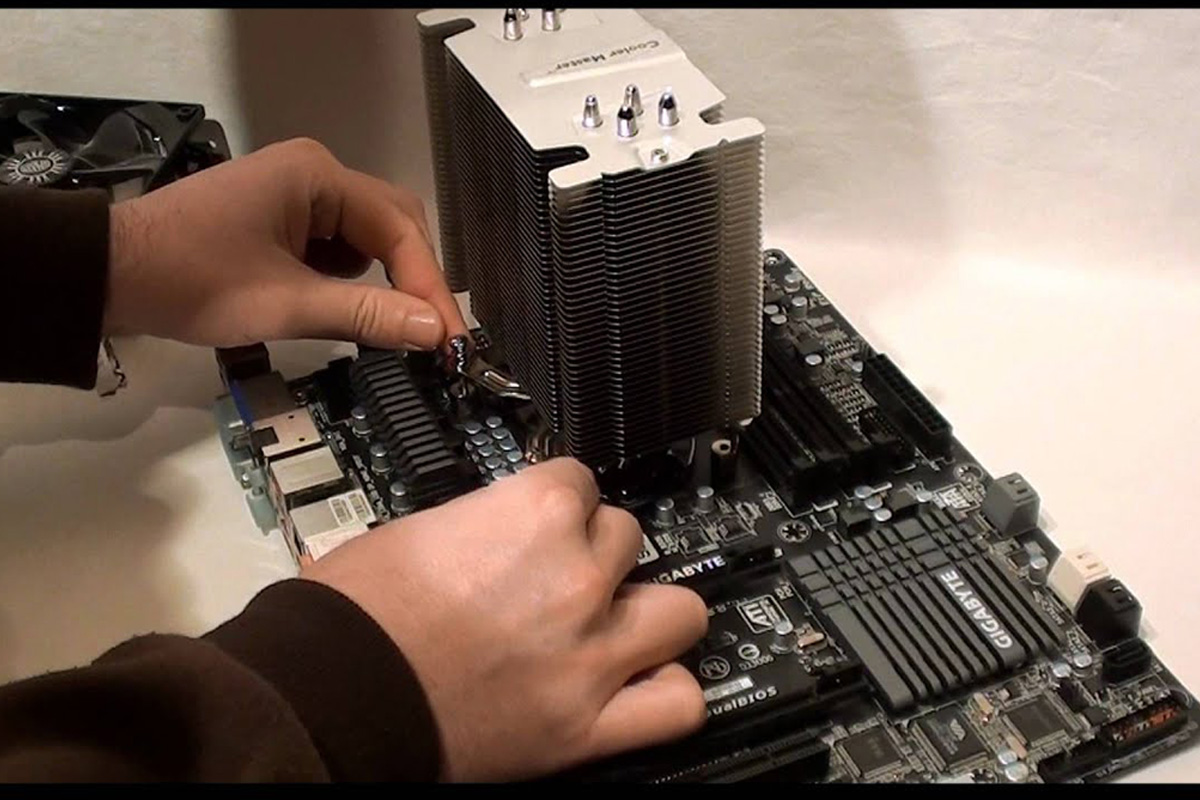
Why heat sinks are essential in electronics
Without proper thermal management, electronic components may:
Throttle performance
Become unstable
Reduce lifespan
Fail under high load
That is why power electronics heat sinks and high performance heat sink designs are critical in computing, industrial equipment, and energy systems.
A heat sink in a computer works by:
Absorbing heat from the CPU/GPU
Spreading heat through aluminum or copper structures
Dissipating heat into air (or liquid systems)
It is a simple but essential part of modern electronics, enabling stable and efficient performance.