The question “is water cooling better than heat sinks?” is essentially a comparison between two different thermal management systems used in electronics: air cooling based on heat sinks and liquid cooling systems. The correct answer depends on multiple engineering factors, not just raw cooling performance.To evaluate properly, we need to compare them across key dimensions: performance, cost, lifespan, installation complexity, maintenance, standards, and application environments.
 1. What are heat sinks and liquid cooling systems?
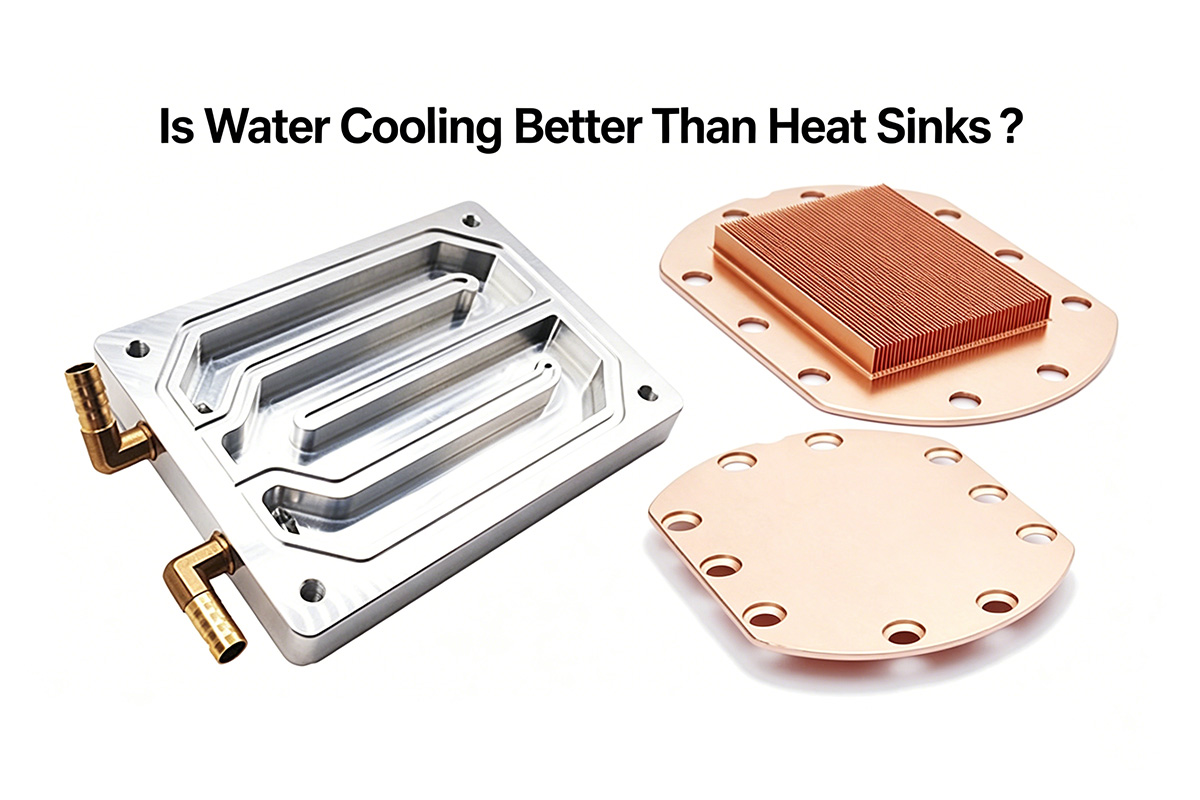
1.1 Heat sink (air cooling system)
A heat sink is a passive or active air-cooled component used in electronics cooling. It typically works with a fan and is widely used in CPUs, GPUs, and power devices.
Common materials include aluminum heat sink, Copper Heat Sink, and hybrid designs from heat sink manufacturers.
It is also referred to as air cooling heat sink, heat sink for electronics cooling, and high performance heat sink.
1.2 Liquid cooling system
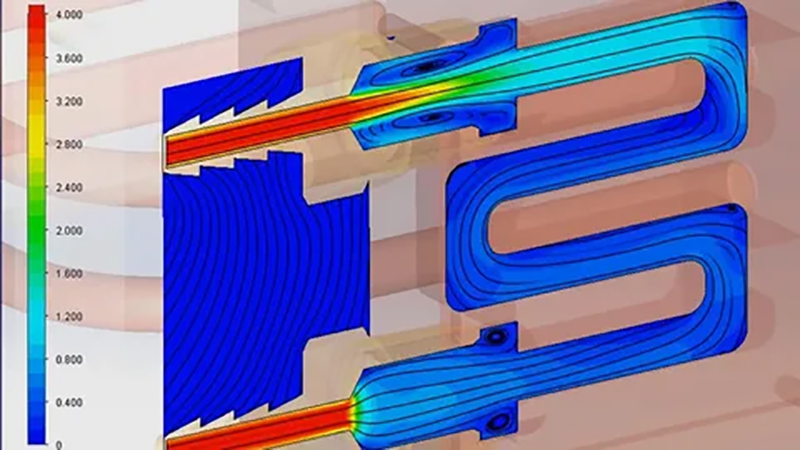
A water cooling system (or liquid cooling system) transfers heat using circulating coolant.
Core components include cpu water cooler / cpu liquid cooler, water block / cooling water block, Liquid Cooling Plate / Cold Plate Liquid Cooling, Liquid Cold Plate / water cooling plate, and liquid cold plate for electronics.
Advanced industrial versions include cold plate cooling solution, high performance liquid cold plate, aluminum liquid cold plate, and cold plate heat sink for power electronics.
 2. Performance comparison
2.1 Heat dissipation efficiency
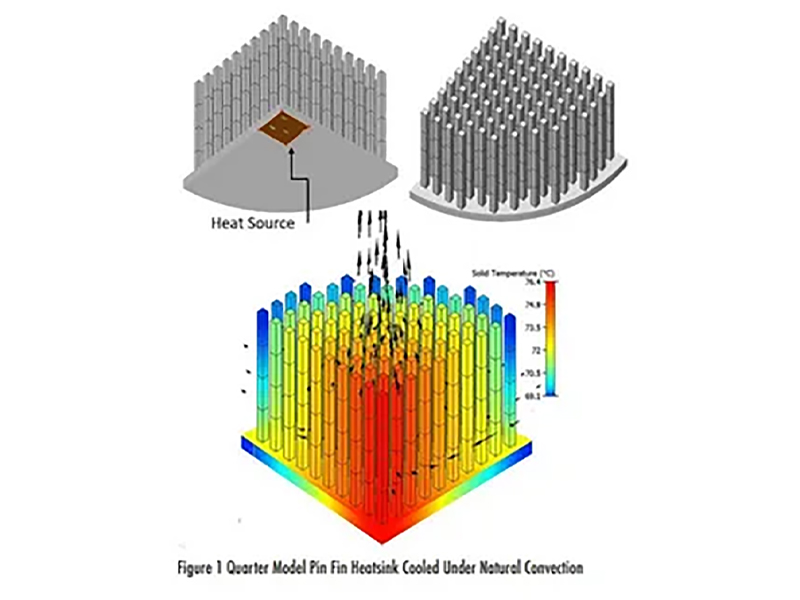
Liquid cooling systems offer higher thermal transfer efficiency due to the higher heat capacity of liquids.
Air cooling systems rely on airflow passing through metal fins, which is less efficient in high-density thermal environments.
In general, liquid cooling performs better under high thermal loads.
2.2 Stability under load
Heat sinks handle moderate workloads well and provide stable long-term operation.
Liquid cooling systems maintain lower peak temperatures under continuous heavy loads.
This is especially relevant in air cooled vs water cooled GPU scenarios, where liquid cooling is often preferred for high-end performance.
2.3 Cost comparison
Heat sink systems are more cost-effective, especially using aluminum heat sinks in mass production.
They are widely available from heat sink manufacturers, aluminum heat sink manufacturers, and heat sink supplier China networks.
Liquid cooling systems are more expensive due to pumps, water blocks, radiators, and system-level engineering, especially in custom liquid cold plate manufacturer solutions.
2.4 Installation complexity
Heat sink systems are simple to install and require minimal configuration.
Liquid cooling systems require more complex assembly, including pump integration, coolant routing, and sealing.
This is especially true for custom water cooled PC builds or cooling water block systems.
2.5 Lifespan and maintenance
Heat sinks offer long service life, low maintenance, and no leakage risk.
Liquid cooling systems require more maintenance, including pump wear monitoring and potential coolant degradation over time.
3. When do you need liquid cooling?
Liquid cooling becomes necessary when heat density exceeds the limits of air cooling heat sink solutions.
Typical scenarios include high-performance CPUs, GPUs, overclocked systems, and industrial electronics requiring liquid cooling plate or cold plate cooling solutions.
Common components used include water block cooling systems, cooling block designs, and liquid cold plate technologies.
4. Key misconception: “Water cooling is always better”
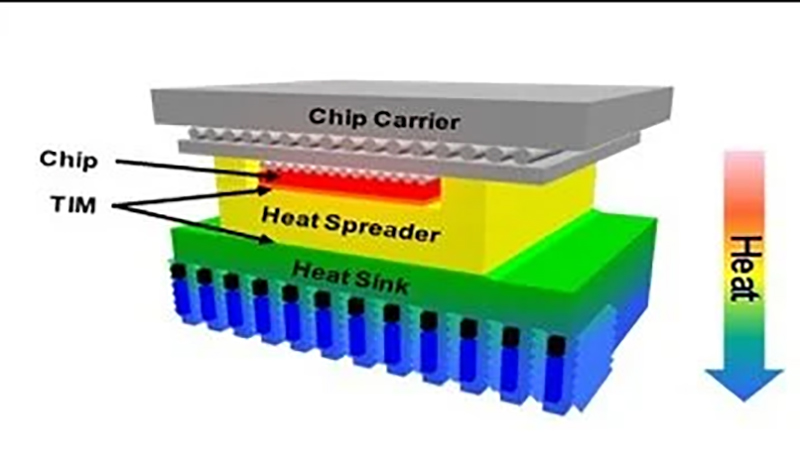
Water cooling does not directly create cold temperatures. It only transfers heat more efficiently to a remote radiator, where air cooling still performs the final heat dissipation.
Therefore:
Heat sink systems rely on localized air cooling
Liquid cooling systems rely on heat transport and remote dissipation
Both still depend on air cooling at the final stage.
 5. Heat sink or liquid cooling: which is better?
There is no universal winner because both systems are optimized for different requirements.
5.1 Where heat sinks perform better
Heat sink systems are better in cost efficiency, reliability, simplicity, and low maintenance environments.
They are widely used in air cooling heat sink designs and power electronics heat sink applications.
5.2 Where liquid cooling performs better
Liquid cooling systems are better in high thermal density environments, high-performance computing, and industrial applications.
They are commonly used in GPU block water cooling systems, water cooling plates, and cold plate heat sink designs.
6. Practical engineering conclusion
From an engineering perspective, heat sinks are optimized for simplicity and reliability, while liquid cooling systems are optimized for thermal density and performance scaling.
This is why both heat sink manufacturers and liquid cold plate manufacturers continue to coexist in modern thermal industries.
7. Application-based recommendation
If your application involves standard electronics, consumer devices, or cost-sensitive systems, air cooling heat sink solutions such as aluminum heat sink or custom heat sink design are more suitable.
If your application involves high-power electronics, GPUs, servers, or industrial thermal systems, liquid cooling systems such as liquid cold plate, water cooling plate, or high performance liquid cold plate are more appropriate.
For specialized requirements, custom heat sink supplier and custom liquid cold plate manufacturer solutions can be designed based on thermal and structural needs.
Water cooling is not universally better than heat sinks. It offers higher thermal performance, while heat sinks provide better simplicity, reliability, and cost efficiency. The optimal choice depends on system design, thermal load, and application requirements.