As electronic devices become more powerful and compact, thermal management has become a critical factor in ensuring performance, reliability, and longevity. From electric vehicles and energy storage systems to data centers and industrial equipment, Liquid Cold Plate technology has emerged as one of the most efficient cooling methods available today. But what are cold plates, and why are they becoming essential across multiple industries?
What Are Cold Plates?
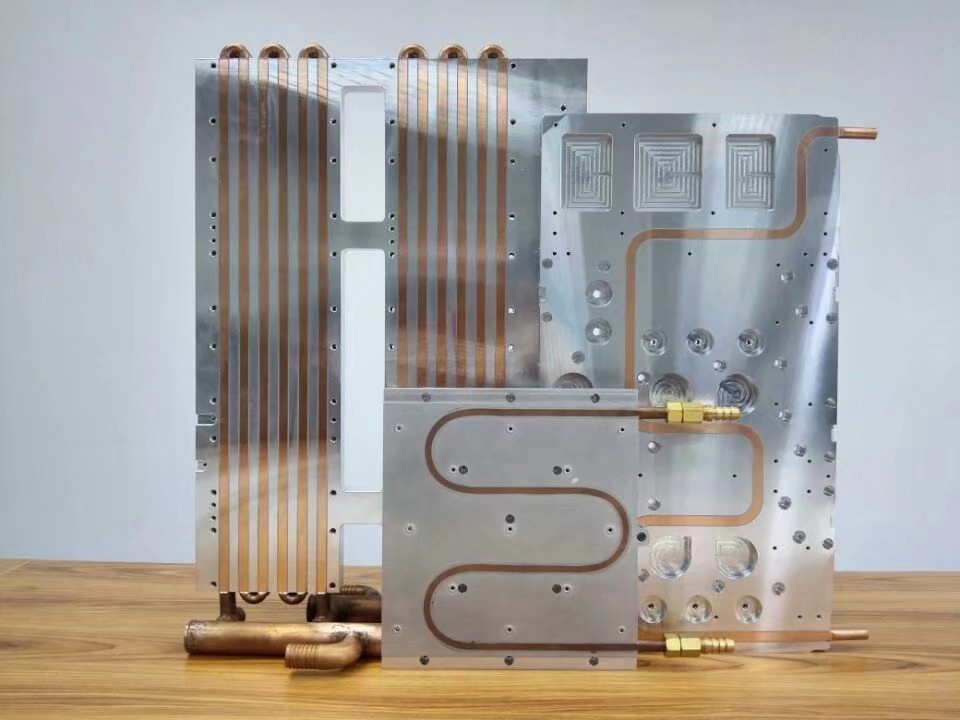 A liquid cold plate is a thermal management device designed to transfer heat away from heat-generating components by circulating coolant through internal channels or tubes. Unlike traditional air cooling systems, cold plate liquid cooling utilizes liquids such as water or glycol mixtures, which have significantly higher thermal conductivity and heat capacity than air.
A water cooling plate typically consists of an aluminum or copper base with internal flow channels that allow coolant to absorb and transport heat efficiently. These systems are widely used in power electronics, battery packs, laser equipment, medical devices, and high-performance computing applications.
Popular types of Liquid Cold Plates include:
How Does a Liquid Cold Plate Work?
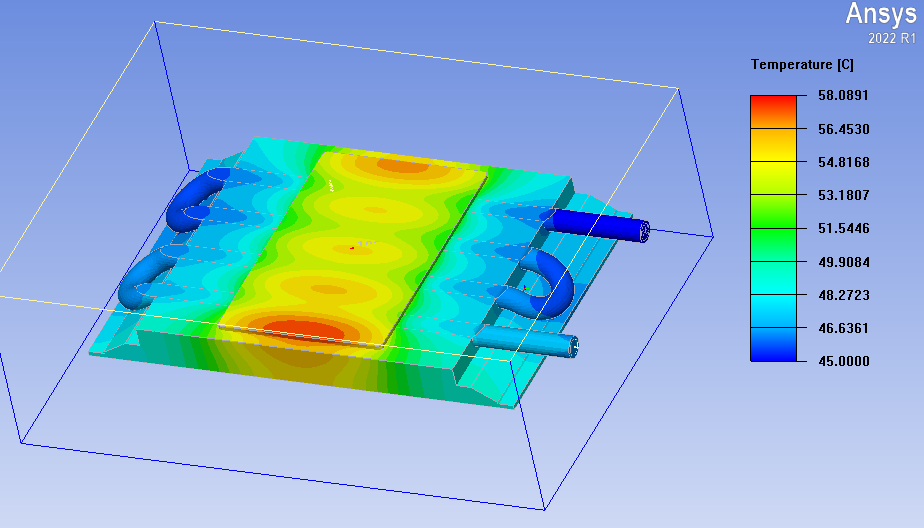 The working principle of a Liquid Cooling Plate is based on heat conduction and convective heat transfer.
Step 1: Heat Generation
Electronic components such as IGBTs, CPUs, batteries, and semiconductors generate heat during operation.
Step 2: Heat Transfer
The heat is conducted from the component into the cooling block or cooling water block.
Step 3: Coolant Circulation
The coolant flows through the internal channels of the water cooling cold plate, absorbing the heat and carrying it away from the heat source.
Step 4: Heat Dissipation
The heated coolant then passes through an external heat exchanger or radiator, where the heat is dissipated before the coolant returns to the system.
This closed-loop process makes cold plate cooling highly effective for applications requiring continuous and reliable temperature control.
Common Types of Liquid Cold Plates
 FSW Liquid Cold Plate technology uses friction stir welding to create leak-proof and highly reliable cooling channels. It offers:
Applications include EV battery systems, energy storage, and aerospace equipment.
2. Tube Liquid Cold Plate
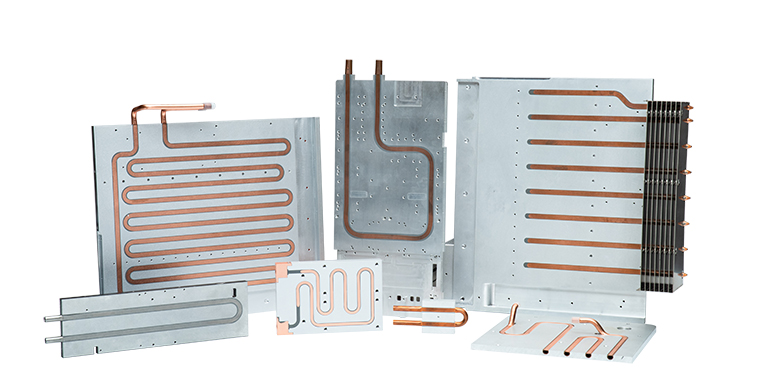
A Tube Liquid Cold Plate embeds copper or stainless-steel tubes into a metal plate. Advantages include:
Lower manufacturing cost
Flexible channel design
Easy maintenance
Suitable for industrial equipment and lower heat flux applications.
3. Brazed Liquid Cold Plate
A Brazed Liquid Cold Plate joins components through high-temperature brazing, enabling:
Commonly used in high-density electronics and power modules.
Industry Pain Points in Thermal Management
Increasing Heat Density
Modern electronics generate more heat in smaller spaces, making traditional air cooling insufficient.
Limited Installation Space
Compact equipment requires smaller cooling systems without sacrificing performance.
Reliability Requirements
Overheating can lead to component failure, reduced efficiency, and shorter product lifecycles.
Energy Efficiency Demands
Industries are seeking cooling solutions that reduce energy consumption while maintaining optimal operating temperatures.
How Liquid Cold Plates Solve These Problems
A cold plate cooling solution addresses these challenges by providing:
Superior Heat Dissipation
Liquid cooling cold plate for electronics applications can remove significantly more heat than air cooling systems.
Compact Design
A high performance liquid cold plate enables efficient thermal management within limited installation spaces.
Enhanced Reliability
Stable temperatures improve component lifespan and reduce maintenance requirements.
Customization Capability
A custom liquid cold plate can be designed according to specific thermal loads, dimensions, coolant types, and flow requirements.
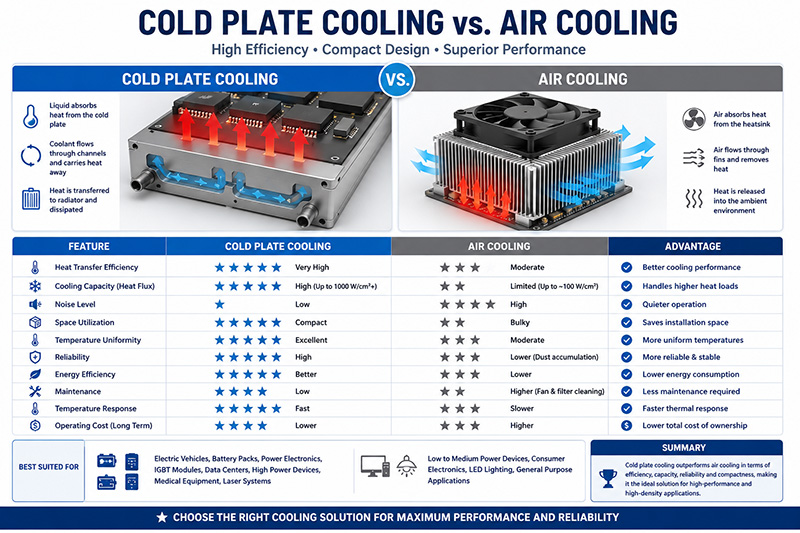
Cold Plate Cooling vs. Air Cooling
| Feature | Cold Plate Liquid Cooling | Air Cooling |
|---|
| Heat Transfer Efficiency | Very High | Moderate |
| Cooling Capacity | High Heat Flux | Limited |
| Noise Level | Low | Higher |
| Space Utilization | Compact | Larger Systems |
| Temperature Uniformity | Excellent | Moderate |
| Reliability | High | Lower Under Heavy Loads |
| Energy Efficiency | Better | Lower |
For applications such as battery systems, power modules, and data centers, cold plate cooling provides a much more efficient and reliable thermal management approach.
Applications of Liquid Cold Plates
Electric Vehicles and Battery Systems
An aluminum liquid cold plate is widely used for battery thermal management, ensuring temperature consistency and safety.
Power Electronics
A cold plate for power electronics can effectively cool IGBT modules, converters, and inverters operating under high power loads.
Data Centers
Liquid cold plates are increasingly used in server cooling systems to support high-density computing environments.
Industrial Equipment
A cold plate cooler helps maintain stable temperatures in automation systems and industrial control equipment.
Medical and Laser Systems
A water block cooling system offers precise temperature control for sensitive devices requiring continuous operation.
Choosing the Right Liquid Cold Plate Manufacturer
When selecting a liquid cold plate manufacturer or liquid cold plate supplier, companies should evaluate:
Engineering and thermal design capabilities
Material options and manufacturing technologies
Customization services
Quality certifications
Leak testing and reliability standards
Production capacity and delivery performance
A professional liquid cold plate supplier can provide optimized thermal solutions tailored to the specific requirements of each application.
As heat loads continue to increase across modern industries, Liquid Cold Plate technology has become an indispensable thermal management solution. Whether utilizing an FSW Liquid Cold Plate, Tube Liquid Cold Plate, or Brazed Liquid Cold Plate, these systems deliver superior cooling performance, enhanced reliability, and improved energy efficiency.
For applications requiring advanced thermal management, a high performance liquid cold plate or custom liquid cold plate offers the ideal balance of compact design, efficient heat transfer, and long-term reliability, making liquid cold plates the preferred choice for next-generation electronics and power systems.