

Liquid Cold Plate procurement can follow two different models: manufacturing to an approved buyer drawing, or purchasing a design and manufacturing service based on application requirements. Buyers should choose the model according to the maturity of the design, available engineering resources and responsibility for performance validation.
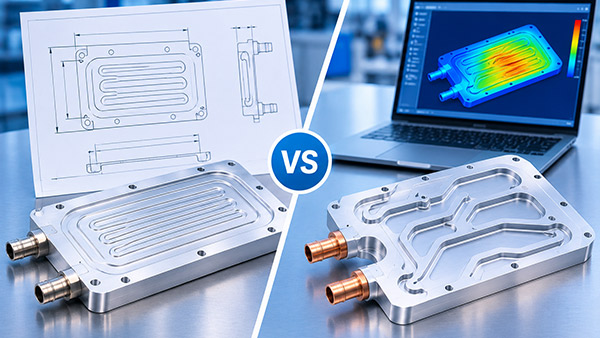
These models involve different work, deliverables and commercial assumptions. A quotation for manufacturing an established drawing should therefore be evaluated differently from a quotation that includes channel development, simulation and prototype refinement.
1. What Does Build-to-Print Purchasing Include?
In a build-to-print project, the buyer supplies the controlled component definition. This normally includes drawings, material requirements, manufacturing restrictions, interface dimensions and acceptance criteria.
The manufacturer reviews the documentation for production feasibility and identifies questions or proposed changes. The buyer remains responsible for approving the design unless the agreement assigns additional engineering work to the supplier.
This model can suit equipment manufacturers with an established thermal design and internal engineering resources. Its effectiveness depends on the completeness of the manufacturing package.
2. What Changes When the Supplier Develops the Design?
In a supplier-designed project, the buyer provides the operating requirements and installation constraints. The supplier then develops a proposed Liquid Cooling Plate within the agreed scope.
Required inputs may include heat-source locations, power dissipation, maximum component temperatures, coolant properties, inlet temperature, available flow and allowable pressure drop.
The buyer should also explain mechanical constraints, connection locations, mounting requirements and expected production quantities. These inputs allow the supplier to evaluate potential constructions rather than selecting a design from total heat load alone.
| Decision area | Manufacturing to a buyer drawing | Supplier design within an agreed scope |
|---|---|---|
| Starting information | Controlled component drawings and specifications | Application requirements and installation constraints |
| Design development | Primarily established before quotation | Included as a defined project activity |
| Supplier review | Manufacturing feasibility and documentation questions | Design proposals, feasibility and agreed performance evaluation |
| Prototype purpose | Verify the specified manufactured component | Evaluate and refine the proposed solution |
| Purchasing focus | Drawing compliance and manufacturing scope | Engineering deliverables, development stages and production scope |
3. Define Performance Responsibilities Before Comparing Prices
A dimensional inspection report establishes selected manufacturing characteristics. Thermal and hydraulic performance require their own agreed evaluation conditions.
Purchasing should identify who prepares the thermal model, who supplies the heat-source information, who conducts prototype tests and who approves the final equipment configuration.
For example, a supplier might assess the plate using specified coolant inlet conditions, while the equipment manufacturer verifies that its complete cooling system can maintain those conditions. Both activities need a clear owner.
4. Separate Development Charges from Repeat Production
Ask the quotation to identify engineering work, prototypes, fixtures, testing and recurring component costs separately where practical.
For development projects, define the expected review stages and the conditions under which additional work would be quoted. A change in the heat-source layout or coolant specification can alter the agreed design task.
For repeat production, confirm which approved revision and manufacturing scope the unit price covers. This helps purchasing distinguish a development payment from the cost of future supply.
5. Agree on the Documentation Package
The required deliverables should reflect how the buyer will approve, install and support the component. Potential documents include:
Overall and interface drawings.
Approved material and coolant requirements.
Relevant thermal and hydraulic performance data.
Inspection and test reports within the agreed scope.
Installation requirements and component identification.
Revision records and production change procedures.
Where future manufacturing transfer is an important purchasing objective, discuss the necessary technical data during the initial project definition. The delivery of detailed internal design information should be explicitly agreed.
6. Use Approval Stages That Match the Purchasing Model
A build-to-print order can proceed when the manufacturing definition and acceptance requirements are complete. A development project may require concept review, prototype approval and production release as separate stages.
In either model, purchasing should release production against an identifiable approved configuration. Any open assumptions about operating conditions or acceptance should have an assigned resolution before the relevant stage is approved.
Discuss Your liquid cold plate Project with KINGKA
KINGKA supports custom tube liquid cold plate manufacturing based on drawings and application requirements. Share your design status, operating conditions and quantities to establish the appropriate engineering and manufacturing scope.
Frequently Asked Questions
Can a supplier review a design without taking full design responsibility?
Yes. Manufacturing review, design suggestions and responsibility for application performance are different activities. Their scope should be agreed during quotation.
Is simulation sufficient for production approval?
Simulation can support development. The responsible engineering team should determine the physical verification and equipment testing required for the application.
Which purchasing model is less expensive?
Compare total project cost, including internal engineering work, supplier development, prototypes and qualification. A lower manufacturing-only quotation may cover fewer activities.