In modern electronics, thermal management is no longer just an optional design consideration. It is a core factor that directly affects device stability, processing performance, and service life. For processors, especially CPUs, GPUs, industrial control chips, and high-power computing modules, the Heat Sink is one of the most important components in the cooling system. However, even the most efficient Heat Sink cannot deliver stable thermal performance if it is not secured correctly.
This is why many engineers and buyers ask an important question: what is the industry standard fastener for processor heat sinks?
The answer depends on the processor platform, board structure, thermal load, and assembly requirements. In most applications, the industry standard fastener for processor heat sinks typically includes spring-loaded screws, captive screws, push pins, threaded standoffs, backplate-mounted screws, and retention clips. These fastening systems are designed to provide stable mounting pressure, reliable thermal contact, vibration resistance, and long-term durability.
As a professional thermal management manufacturer, KINGKA provides a wide range of cooling solutions, including Heat Sink, Extrusion Heat Sink, Skived Fin Heat Sink, Bonded Fin Heat Sink, Cold Forging Heat Sink, Die Casted Heat Sink, Heat Pipe Heat Sink, and Heat Pipe Thermal Module products, all designed to meet practical application requirements and industry-standard assembly expectations.
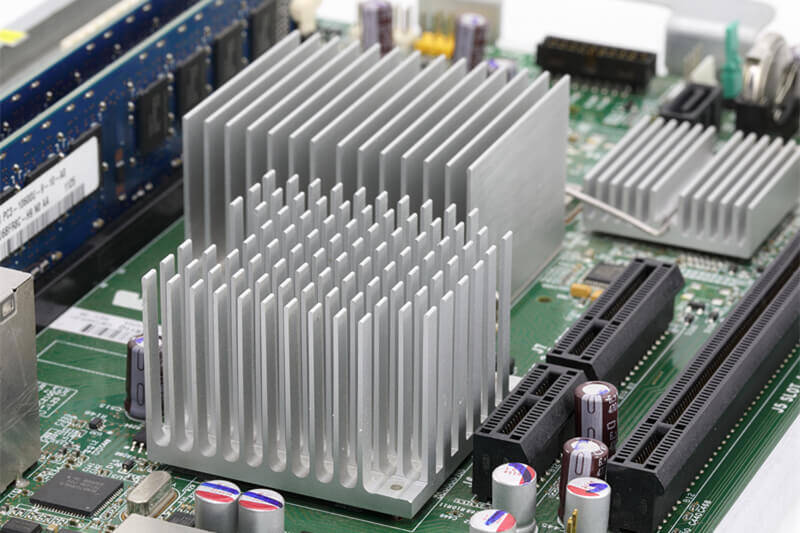
Why Fasteners Matter in Processor Heat Sink Design
A processor heat sink does more than simply sit on top of a chip. It must be held in a way that ensures:
stable contact with the processor surface
proper compression of the thermal interface material
even mounting pressure across the package
resistance to vibration and thermal cycling
easy installation and maintenance
If the fastener is not appropriate, several problems can occur. The Heat Sink may not sit flat on the processor, thermal grease may spread unevenly, contact thermal resistance may increase, and the processor may run hotter than expected. In high-performance electronics, even a small mounting issue can significantly reduce the performance of an otherwise well-designed Heat Sink or Heat Pipe Heat Sink.
That is why the fastener is considered part of the thermal solution, not just a simple mechanical accessory.
What Fasteners Are Commonly Used for Processor Heat Sinks?
There is no single fastener used in every processor cooling application, but several fastening methods are widely accepted as industry-standard solutions.
1. Spring-Loaded Screws
Spring-loaded screws are one of the most common fastening methods for processor heat sinks. They are widely used because they help maintain consistent mounting force. The spring compensates for tolerance variation and thermal expansion, making this solution ideal for servers, industrial computers, telecom boards, and other systems using Heat Pipe Thermal Module or Heat Pipe Heat Sink Parts.
This type of fastener is especially useful for high-performance cooling systems, because stable and even pressure helps maximize thermal contact.
2. Captive Screws
Captive screws are often used in applications where repeated assembly and maintenance are expected. Since the screws remain attached to the Heat Sink, they reduce the risk of missing hardware during service. They are often combined with backplates or threaded inserts and are commonly found in professional-grade processor cooling systems.
3. Push Pins
Plastic or metal push pins are often used for lighter Heat Sink assemblies, especially in cost-sensitive or low-power systems. Push pins are quick to install and work well in compact boards, but they are generally less robust than spring screws. They are more common in smaller Aluminum Extrusion Heat Sink products and low-profile board-level cooling designs.
4. Backplate and Screw Mounting Systems
In many processor cooling applications, especially for larger Bonded Fin Heat Sink, Cold Forging Heat Sink, or Heat Pipe Assemblies, the heat sink is secured through the PCB into a metal backplate. This method improves structural support and allows more precise control of clamping force. It is often considered one of the most reliable industry-standard fastening structures for high-load and long-life designs.
5. Retention Clips and Brackets
Some processor heat sinks use clips or retention frames instead of direct screws. These are often designed for specific processor sockets or platforms. A clip-based system can provide quick assembly and is commonly used when the processor package and board layout are standardized.
What Makes a Fastener “Industry Standard”?
When people refer to an “industry standard” fastener for processor heat sinks, they usually do not mean a single screw size or one universal part. Instead, they are referring to fastening solutions that meet several common engineering requirements:
consistent mounting pressure
compatibility with processor socket or package design
reliable long-term contact under thermal cycling
ease of assembly in production
low risk of loosening during operation
support for rework or maintenance when necessary
In other words, an industry-standard fastener is one that works reliably in real manufacturing and operating environments.
For example, a high-power server CPU cooler using a Heat Pipe Thermal Module will usually require a stronger and more controlled fastening system than a compact embedded module using a smaller Extrusion Heat Sink. Both can be considered industry-standard if they are correctly selected for their applications.
How Fastener Choice Affects Heat Sink Performance
The choice of fastener can directly influence the cooling performance of the heat sink. This is because thermal contact depends heavily on pressure and flatness.
1. Mounting Pressure
Too little pressure creates air gaps and high thermal resistance. Too much pressure may damage the processor package, deform the board, or stress the solder joints. Proper fasteners such as spring-loaded screws help maintain balanced pressure for Heat Sink assemblies.
2. Contact Flatness
A well-designed fastener system helps keep the base of the Heat Sink flat against the processor. This is critical for high-performance products such as skived fin Heat Sink, Bonded Fin Heat Sink, and Heat Pipe Heat Sink, where cooling capability depends on efficient heat transfer from the heat source to the base.
3. Long-Term Reliability
Over time, processors experience thermal expansion and contraction. Poor fastening systems may loosen, shift, or cause uneven stress. Industry-standard fasteners are designed to remain stable throughout repeated thermal cycles.
Heat Sink Type Also Influences Fastener Selection
Different heat sink structures often require different fastening approaches.
Extrusion Heat Sink
A standard Extrusion Heat Sink or Aluminum Extrusion Heat Sink is often used in medium-power applications. Depending on size and weight, it may use push pins, screws, or bracket systems. For many Extrusion Heat Sink Parts, lightweight design allows relatively simple fastening.
Skived Fin Heat Sink
A Skived Fin Heat Sink usually has higher fin density and often targets more demanding thermal conditions. Since these designs may be heavier or require better contact, screw-based fastening with controlled pressure is more common. This is especially true for Copper Skived Fin Heat Sink Parts and Aluminum Skived Fin Heat Sink Parts.
Bonded Fin Heat Sink
A Bonded Fin Heat Sink can offer high fin aspect ratios and strong cooling potential. Because these heat sinks may be larger or taller, a more stable fastening system is usually preferred to ensure long-term mechanical integrity.
Cold Forging Heat Sink
A Cold Forging Heat Sink is often used where compact structure and precise shape are required. Depending on mass and application environment, it may use screws, clips, or custom brackets. Fastener design must match the forged base geometry.
Heat Pipe Thermal Module
A Heat Pipe Thermal Module or Heat Pipe Heat Sink often serves higher-power processors or systems with concentrated heat loads. These assemblies usually require more controlled fastening systems, such as spring screws with backplates, to ensure good contact and prevent movement.
Common Problems Caused by the Wrong Fastener
Choosing the wrong fastener can create serious performance and reliability issues, including:
poor thermal contact
unstable processor temperature
uneven thermal interface material spread
warped PCB or damaged package
vibration-related loosening
difficult or inconsistent assembly
Even if the cooling structure itself is excellent, such as a high-performance Skiving Heat Sink, Heat Pipe Assemblies, or Die Casted Heat Sink, improper fastening can prevent the thermal solution from reaching its full performance.
How KINGKA Supports Industry-Standard Processor Cooling Solutions
As a professional thermal management manufacturer, KINGKA understands that a processor cooling solution is more than just fins and metal. The structure, mounting interface, and fastening method all work together.
KINGKA can provide a wide range of cooling products, including:
Heat Sink
Extrusion Heat Sink
Aluminum Extruded Radiator
Aluminum Extrusion Heat Sink
Skived Fin Heat Sink
Skived Fin Heat Sink Parts
Copper Skived Fin Heat Sink Parts
Aluminum Skived Fin Heat Sink Parts
Bonded Fin Heat Sink
Cold Forging Heat Sink
Die Casted Heat Sink
Heat Pipe Heat Sink
Heat Pipe Thermal Module
Heat Pipe Thermal Module Parts
Heat Pipe Assemblies
Heat Pipe Heat Sink Parts
KINGKA also focuses on practical assembly requirements and can support customers with heat sink structures that align with industry-standard mounting approaches. Whether the application requires lightweight Extrusion Heat Sink Parts for embedded electronics or higher-performance Heat Pipe Thermal Module designs for processor-intensive systems, KINGKA can provide solutions that balance cooling efficiency, manufacturability, and reliability.
Why Industry-Standard Compliance Matters
When a heat sink solution follows industry-standard mounting practices, customers benefit in several ways:
more reliable thermal performance
easier integration into existing product platforms
better consistency in volume production
improved serviceability and maintenance
lower risk of installation errors
For OEMs, this is particularly important. A processor heat sink that fits well with standard assembly methods reduces engineering risk and helps shorten development time.
As one of the experienced Extrusion Heat Sink Manufacturers and thermal solution providers, KINGKA is committed to supplying products that meet real-world mechanical and thermal expectations.
So, what is the industry standard fastener for processor heat sinks? In most cases, the answer includes spring-loaded screws, captive screws, push pins, backplate-mounted screw systems, and retention clips, depending on the processor platform and cooling structure. The true industry standard is not just about a specific hardware piece, but about achieving stable mounting pressure, reliable contact, and long-term performance.
A good fastener helps a Heat Sink perform as intended. A poor fastener can undermine even the best cooling design.
With strong experience in Extrusion Heat Sink, Skived Fin Heat Sink, Bonded Fin Heat Sink, Cold Forging Heat Sink, Die Casted Heat Sink, Heat Pipe Heat Sink, and Heat Pipe Thermal Module solutions, KINGKA provides professional thermal products that are designed to meet industry requirements and support stable processor cooling performance.
If you are looking for a reliable thermal management partner, KINGKA is ready to support your next project with industry-standard cooling solutions.