Custom liquid cold plates
from electronics cooling to power systems.
Engineer & Design support
EInstant Pricing & DFM
Tight Tolerances


Engineer & Design support
EInstant Pricing & DFM
Tight Tolerances
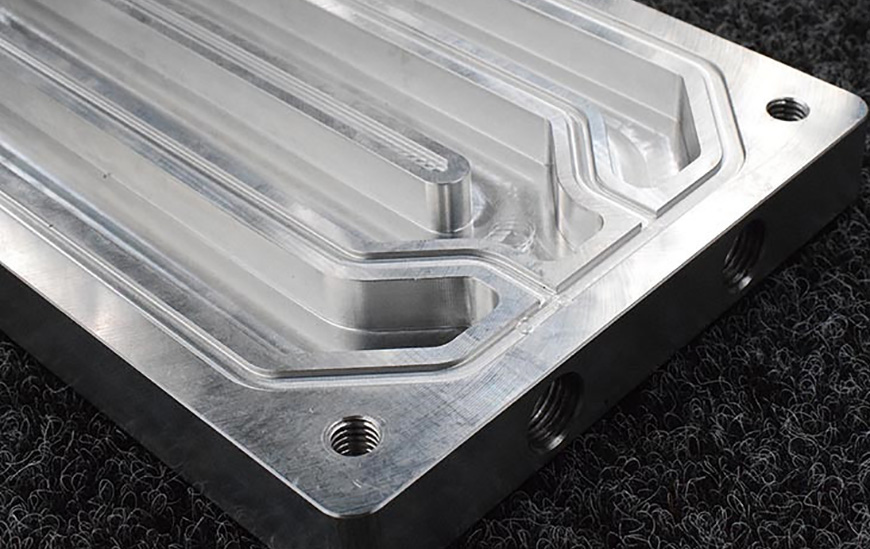
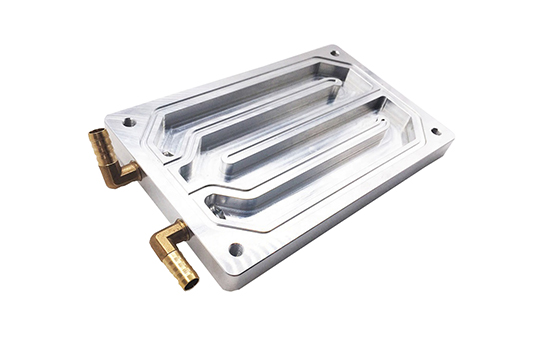
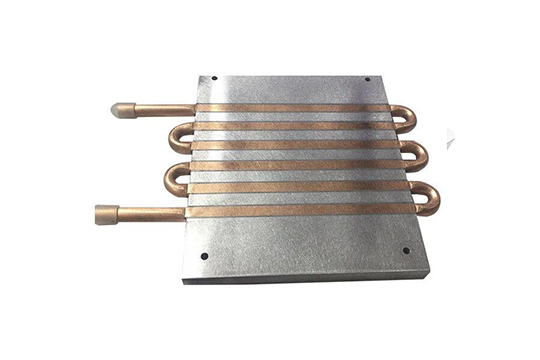
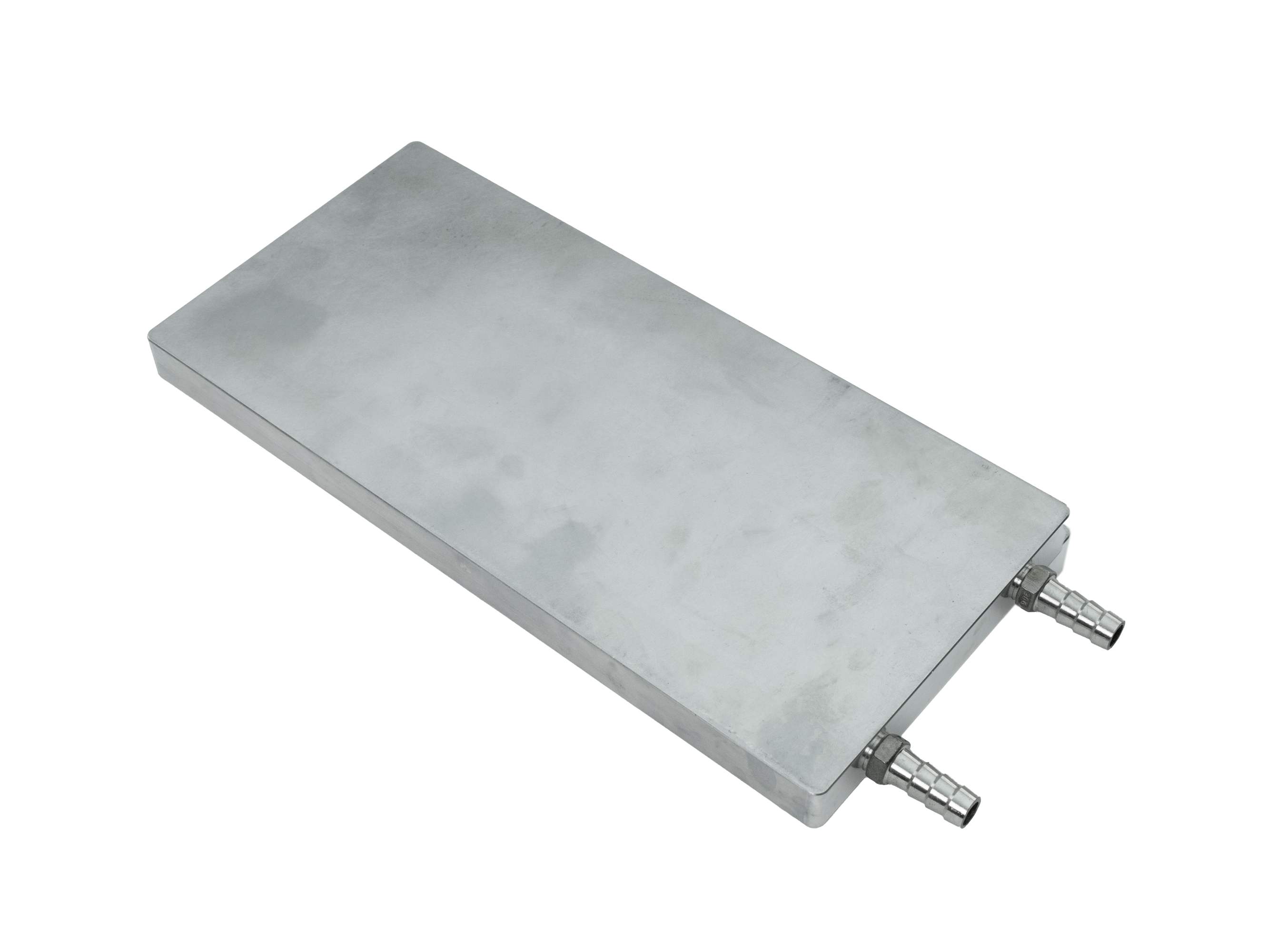
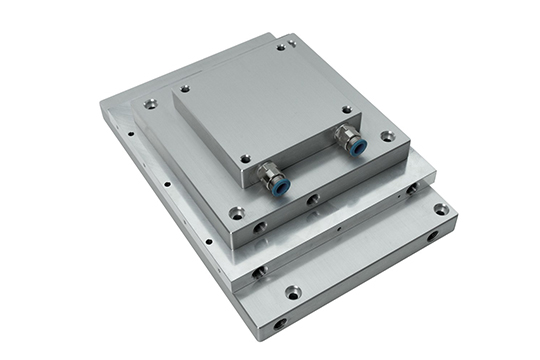
A liquid cold plate is a thermal management device designed to remove heat from high-power electronic components using circulating coolant. Typically made from aluminum or copper, the cold plate contains internal channels that allow liquid to flow through and carry heat away from heat sources such as CPUs, power modules, batteries, and inverters. Compared with traditional air cooling, liquid cold plates provide higher heat dissipation efficiency and are widely used in data centers, electric vehicles, energy storage systems, and industrial power electronics.
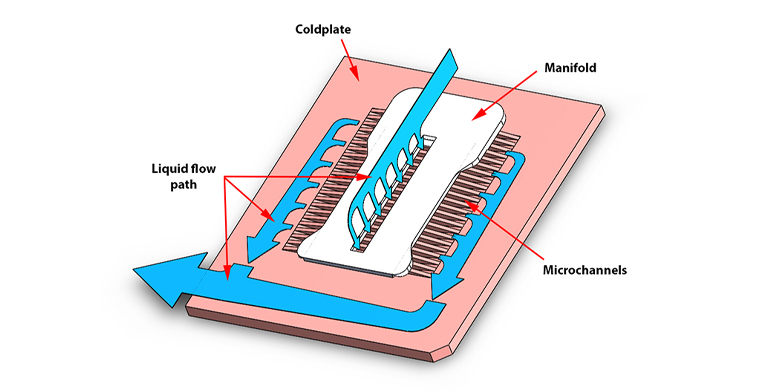
The core problem addressed by liquid cold plates is how to efficiently remove large amounts of heat from high-power and high-density systems where air cooling is insufficient. Cold plates transfer heat away from components and transport it through coolant circulation. Depending on system design, cooling structures may include single-loop or multi-loop cooling circuits, as well as direct-flow or manifold distribution designs, allowing engineers to balance heat removal capacity, flow distribution, and pressure drop for different thermal management requirements.
A liquid cold plate works by transferring heat from electronic components to a flowing coolant. Heat first moves from the device to the cold plate through thermal conduction, then the circulating liquid absorbs the heat and carries it away through internal channels. The heated coolant is then cooled externally by a radiator or cooling unit before recirculating through the system. This continuous process provides highly efficient liquid cooling, making cold plates ideal for high-power electronics, server CPUs, GPUs, and EV battery systems.
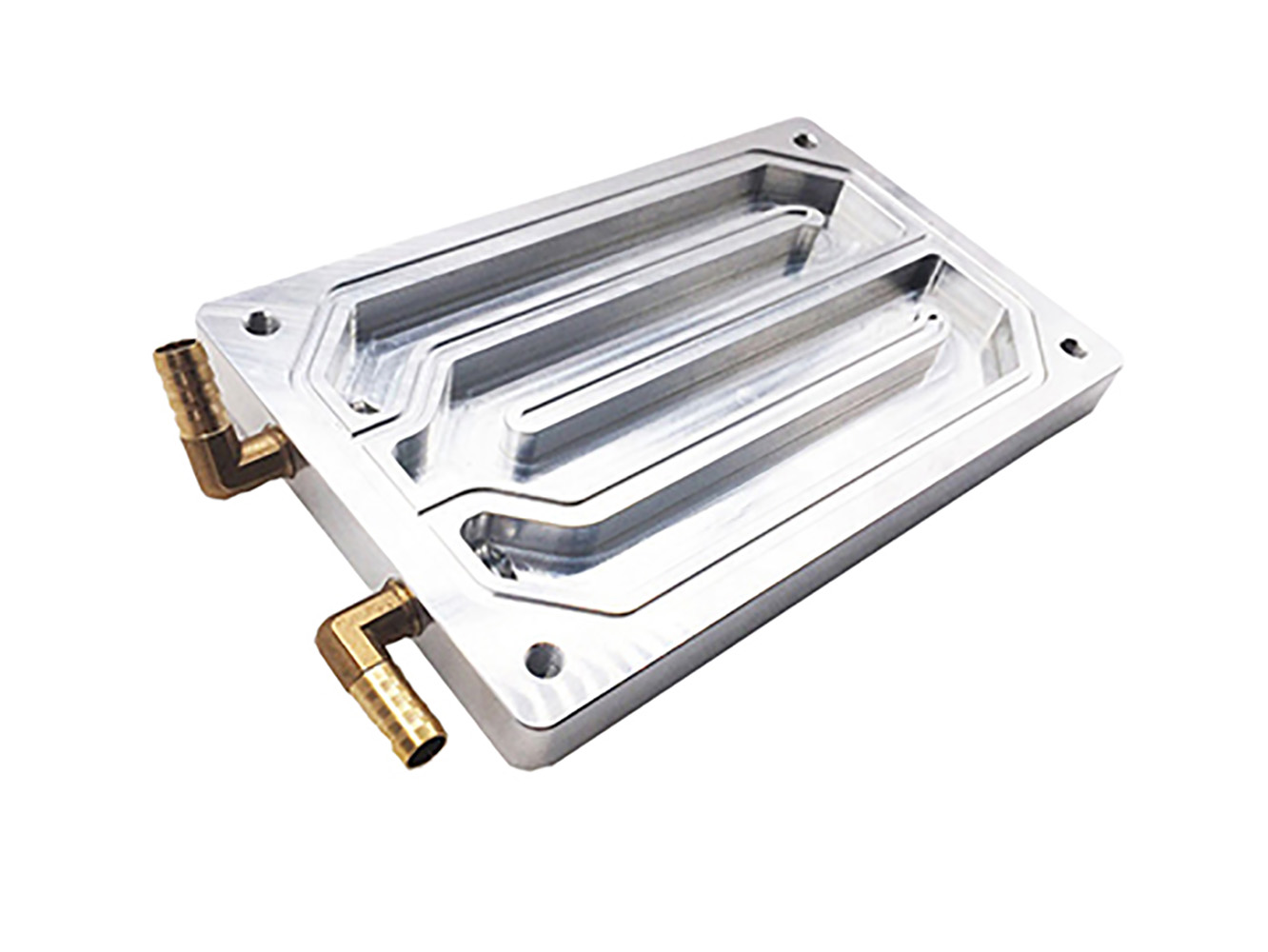
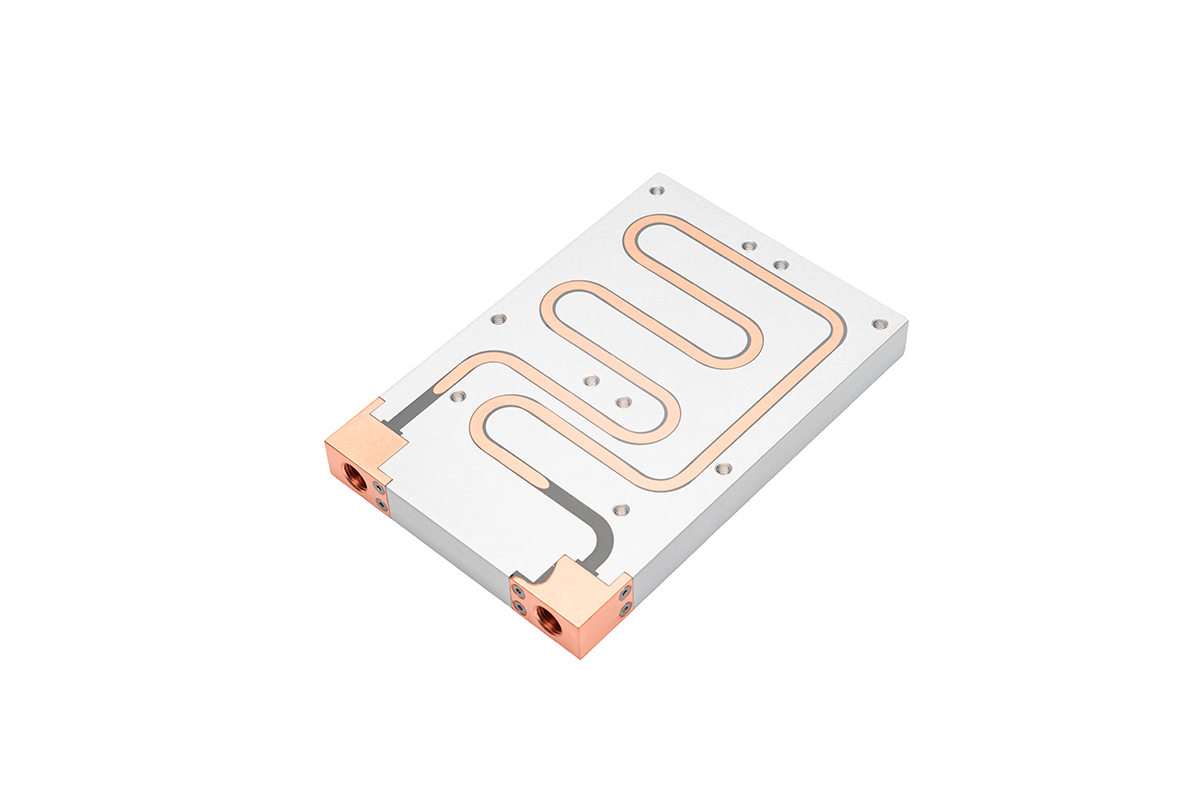
Best for: High heat flux and large-area cooling Key advantages: Excellent thermal conductivity, strong leak-proof structure Limitations: Higher tooling cost, less suitable for complex microchannels Typical applications: EV batteries, power electronics, energy storage systems
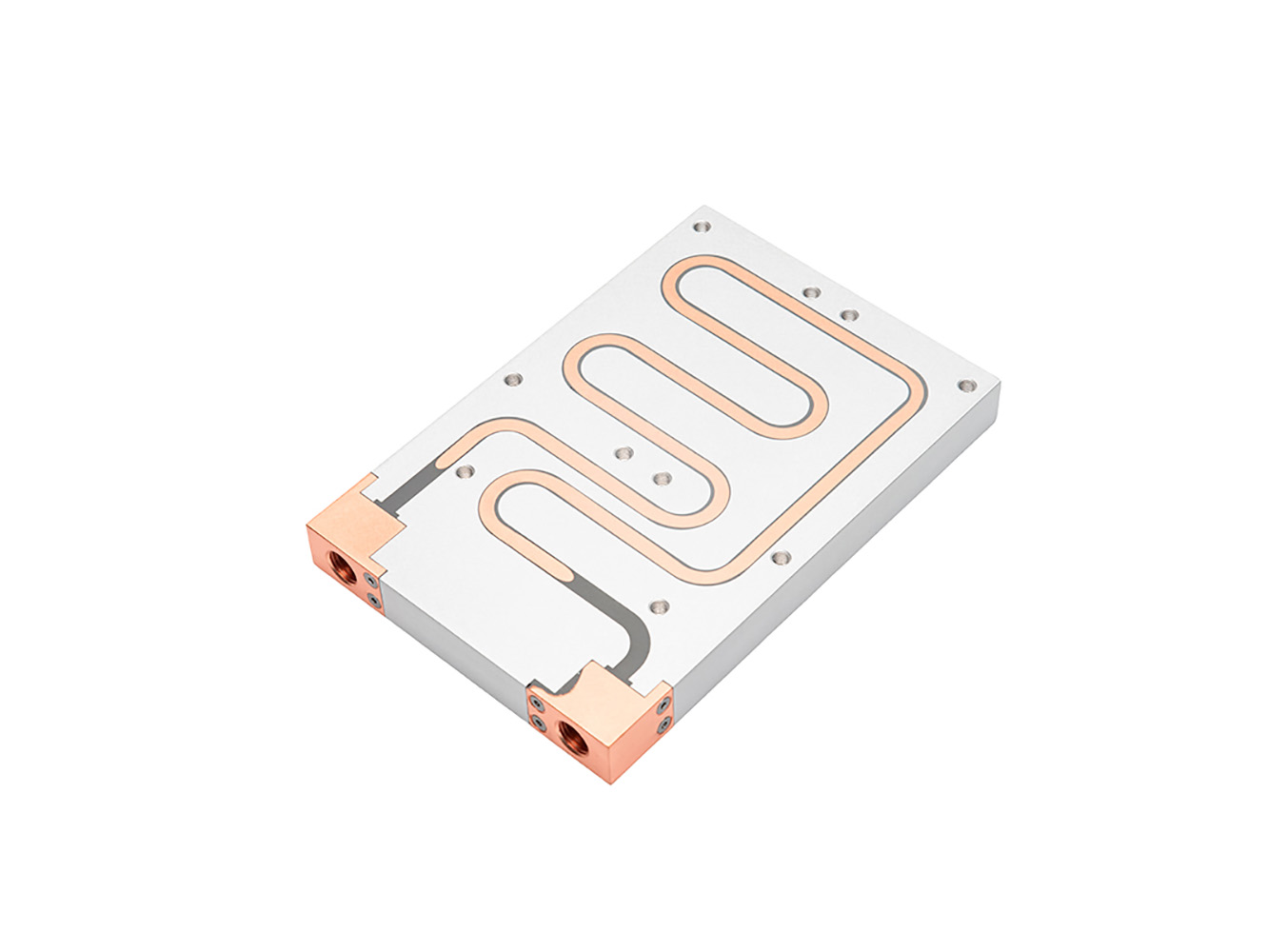
Best for: Medium heat loads and flexible cooling layouts Key advantages: Simple structure, cost-effective, easy maintenance Limitations: Lower thermal performance than microchannel designs Typical applications: Industrial electronics, battery packs, telecom equipment
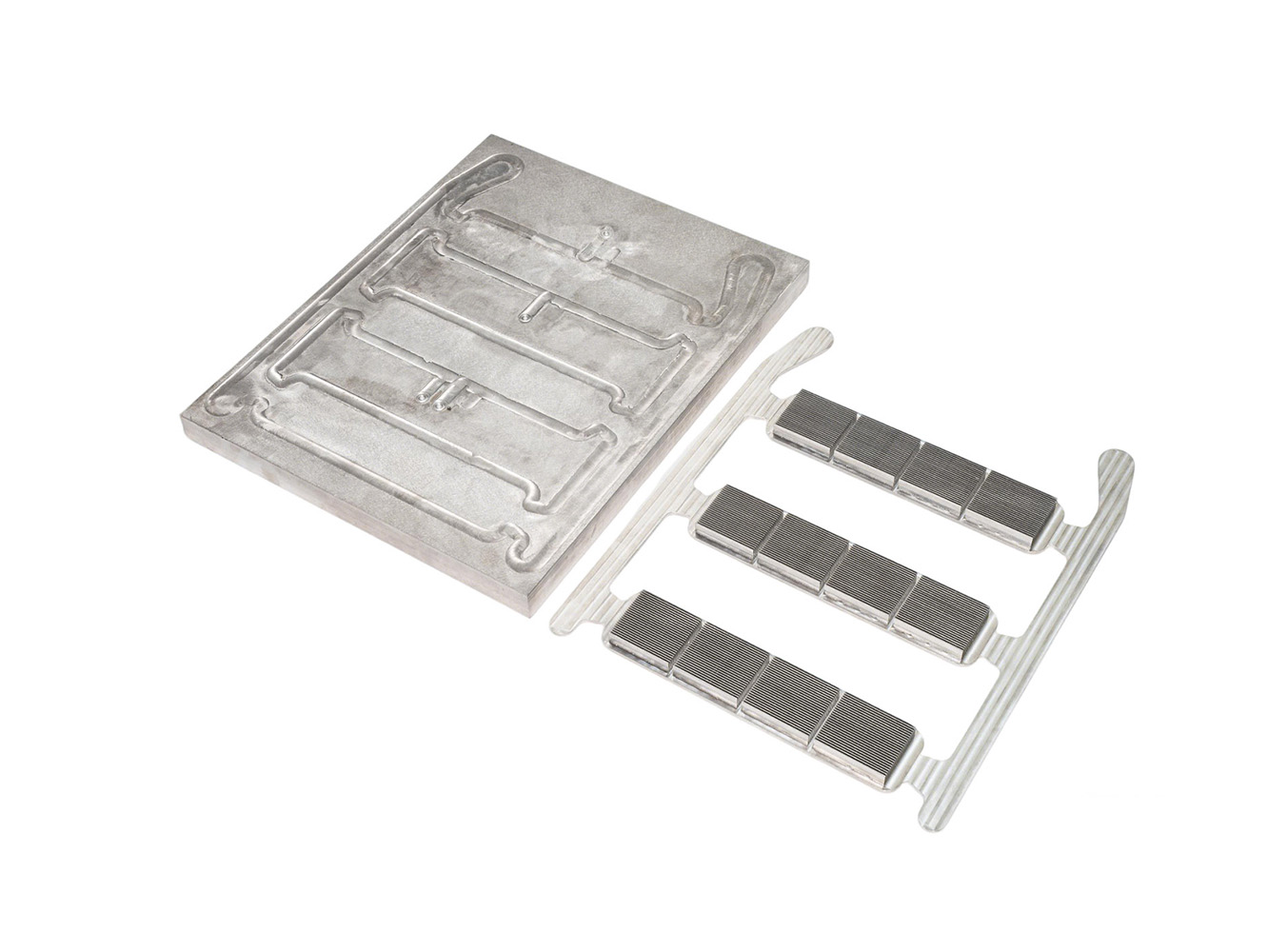
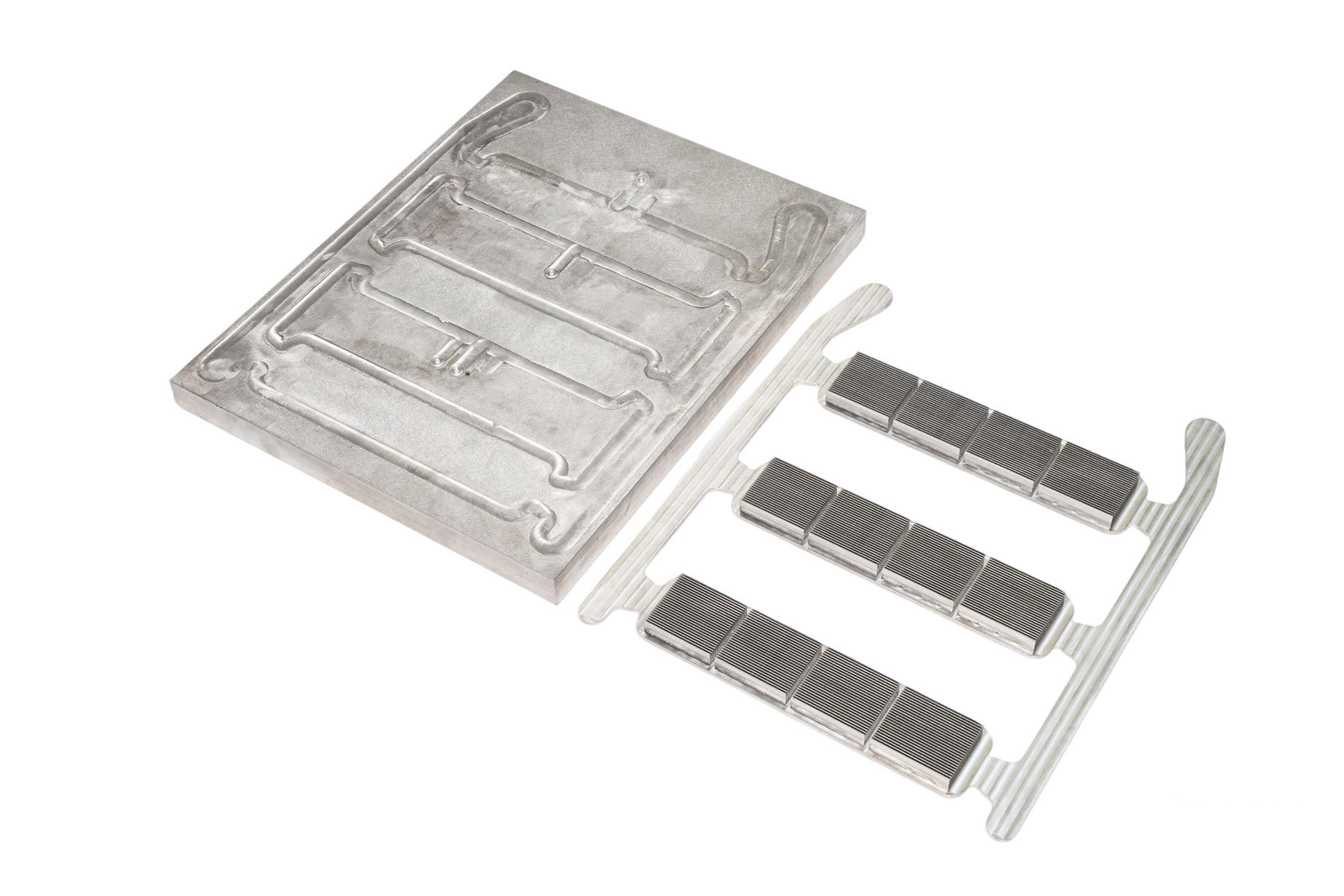
Best for: High power density and compact cooling systems Key advantages: Complex internal channels, strong thermal performance Limitations: Higher manufacturing complexity and cost Typical applications: Data center servers, high-performance CPUs, power modules
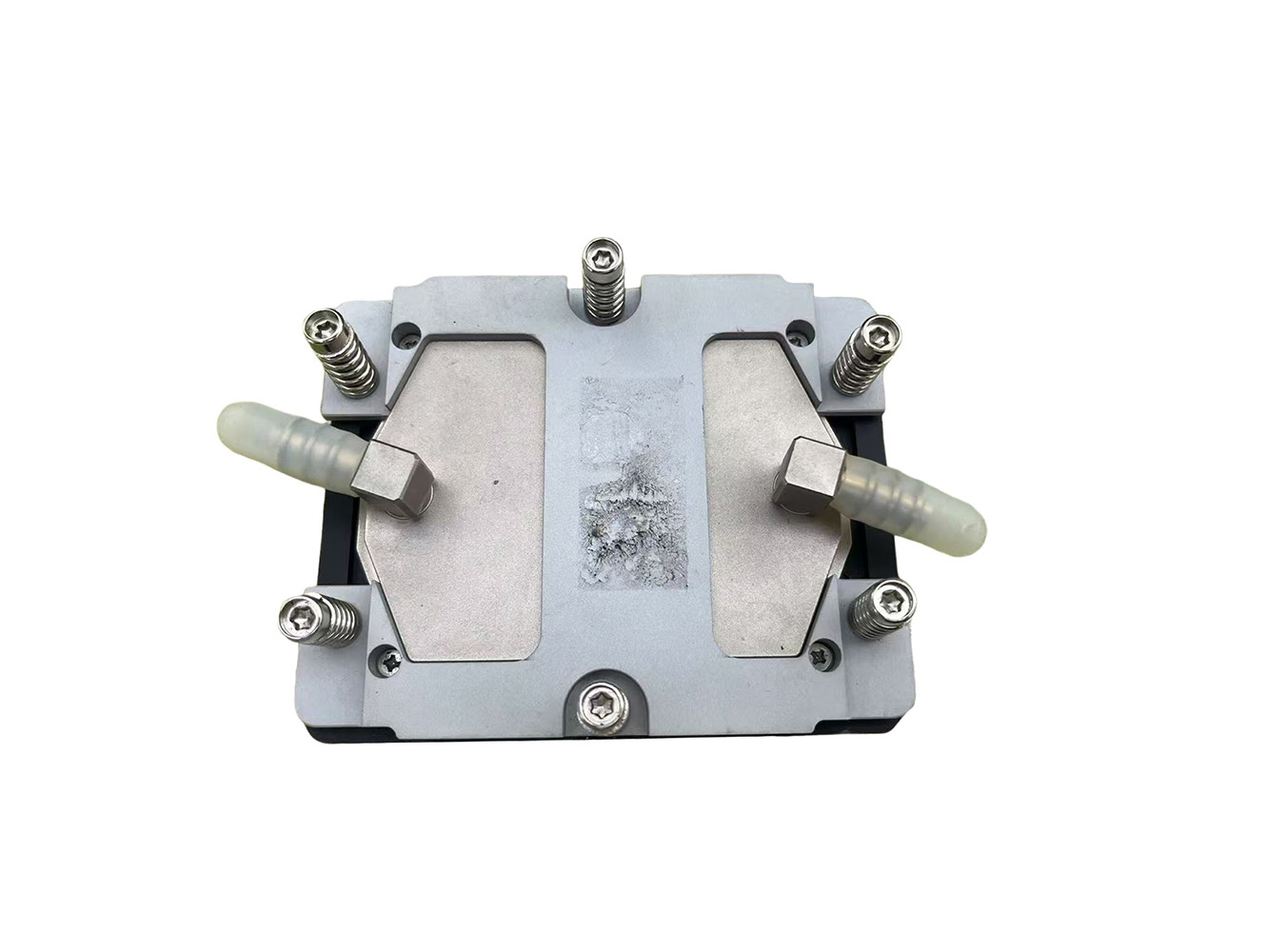
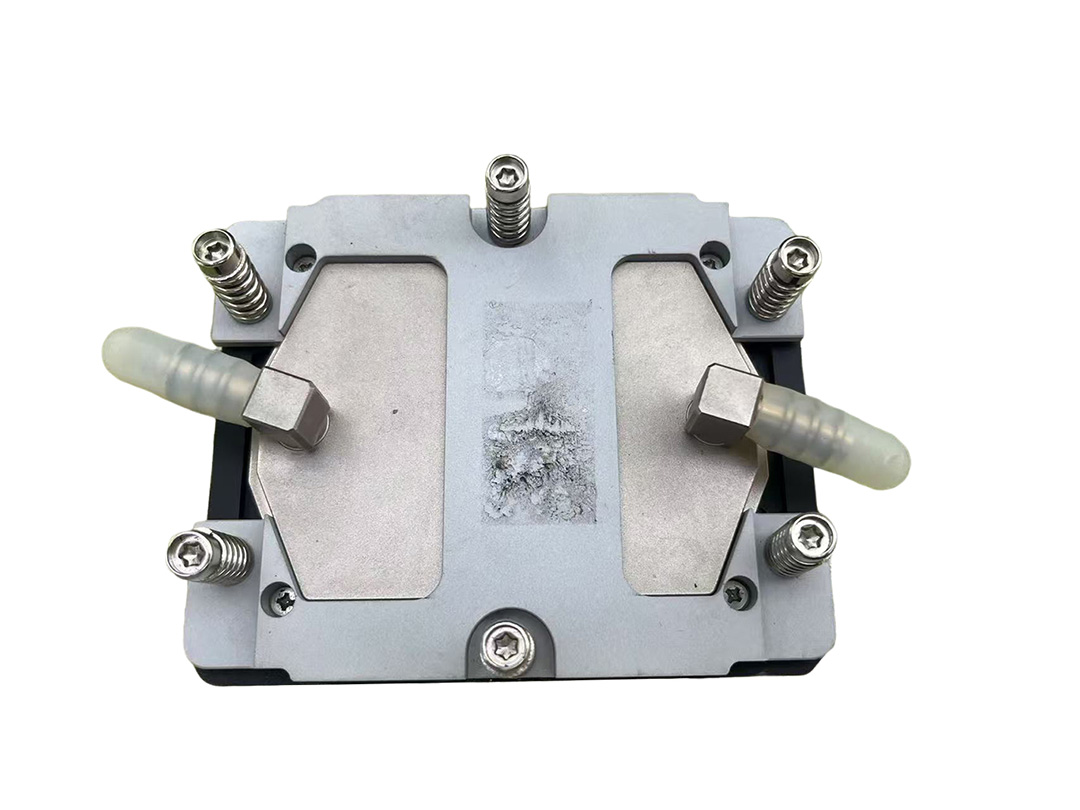
Best for: Localized high-power chip cooling Key advantages: High cooling efficiency, compact design Limitations: Designed for specific chip layouts, limited scalability Typical applications: Server CPUs, GPUs, high-performance computing systems
Liquid cold plates are widely used in high-power systems because they provide significantly higher heat dissipation capacity than traditional air cooling. By circulating coolant directly through internal channels, cold plates remove heat more efficiently and maintain stable temperature control even under heavy thermal loads. Their compact structure also enables a space-efficient thermal solution, making them ideal for systems with limited installation space. Most importantly, liquid cooling can support power densities beyond the limits of air cooling, which is critical for applications such as data centers, electric vehicles, power electronics, and high-performance computing.
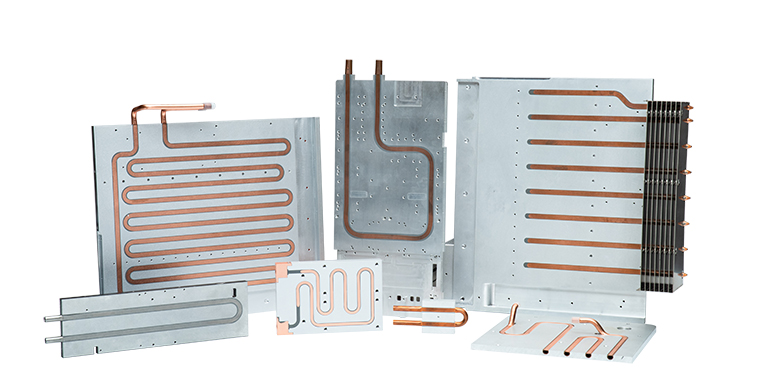
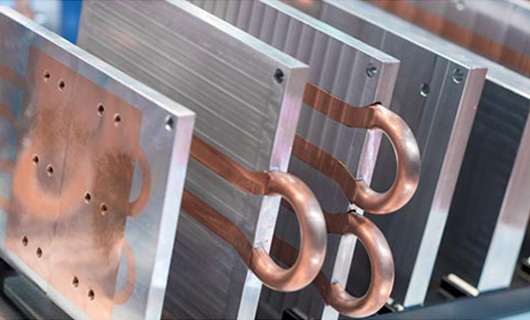
The manufacturing process of liquid cold plates begins with careful material selection and preparation. Common materials include aluminum, copper, and stainless steel, chosen based on thermal conductivity, corrosion resistance, weight, and application requirements. Aluminum alloys such as 6061 or 6063 are widely used for their excellent balance of thermal performance and machinability, while copper provides superior thermal conductivity for high-power cooling systems. During this stage, raw materials are cut, milled, and pre-shaped to meet the dimensional requirements of the cold plate design, ensuring optimal compatibility with subsequent processing steps and maintaining strict tolerance control.
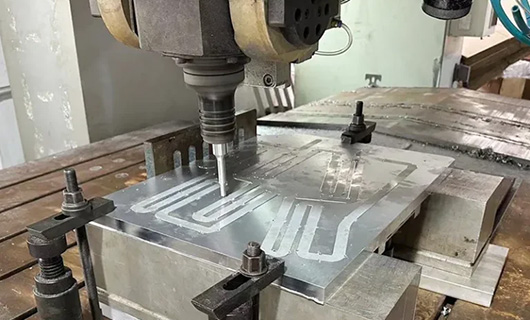
In the flow channel forming stage, internal coolant pathways are created to enable efficient heat transfer. These channels can be produced through CNC machining, skiving, extrusion, stamping, or microchannel fabrication, depending on the cold plate structure and thermal requirements. The channel geometry—such as serpentine, parallel, or multi-pass designs—is carefully engineered to maximize heat exchange while maintaining low pressure drop. Advanced designs like microchannel cold plates significantly increase the surface area between the coolant and the metal surface, enhancing cooling efficiency for high-density electronics and high-power applications.
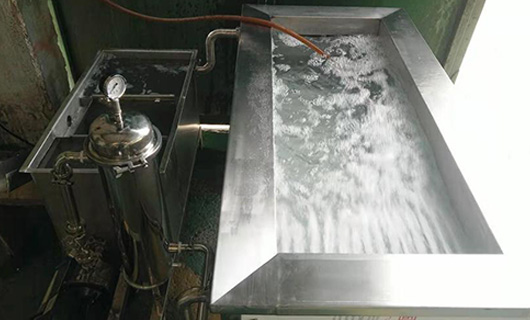
Before bonding or brazing components together, the cold plate undergoes a thorough pre-bonding cleaning process, typically using ultrasonic cleaning technology. This step removes oil, dust, machining residues, and microscopic contaminants from the metal surfaces. Ultrasonic waves create high-frequency vibrations in the cleaning solution, allowing the liquid to penetrate complex channel structures and remove particles that conventional cleaning methods cannot reach. Proper cleaning is critical to ensure strong bonding quality and prevent defects such as leaks or weak joints during the brazing or sealing process.
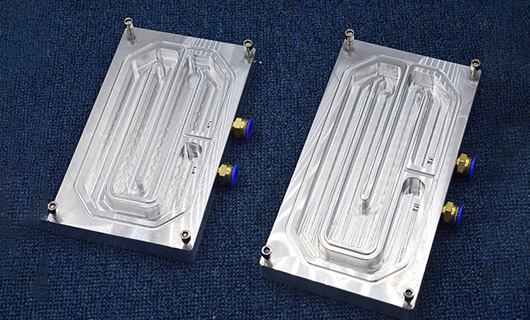
After cleaning, the cold plate may undergo surface treatment to improve corrosion resistance, durability, and overall performance. Common treatments include anodizing, nickel plating, passivation, or anti-corrosion coatings. For aluminum cold plates, anodizing is frequently applied to enhance oxidation resistance and improve long-term reliability in liquid cooling environments. Surface finishing also helps maintain dimensional accuracy, improve appearance, and provide additional protection against chemical reactions between the coolant and the metal surface.
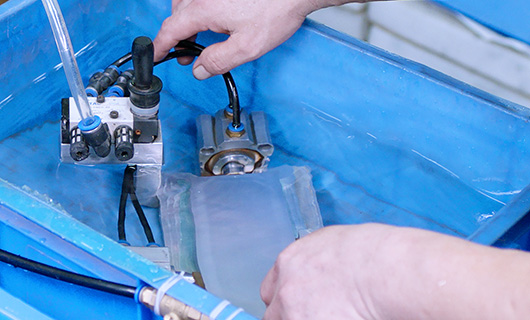
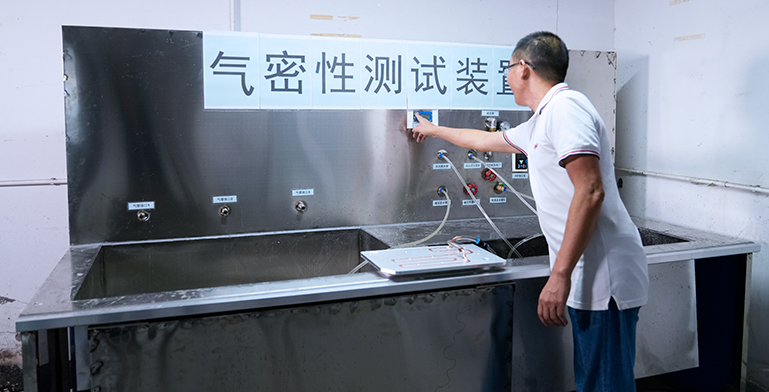
Once the cold plate assembly is completed, rigorous air leak testing and quality control procedures are performed to verify product integrity. Using helium leak testing, air pressure testing, or water immersion methods, engineers ensure that all joints, channels, and connections are fully sealed and capable of withstanding operating pressure. Additional inspections include dimensional verification, surface inspection, and flow testing. These quality control measures guarantee that the liquid cold plate meets strict reliability and safety standards before delivery.
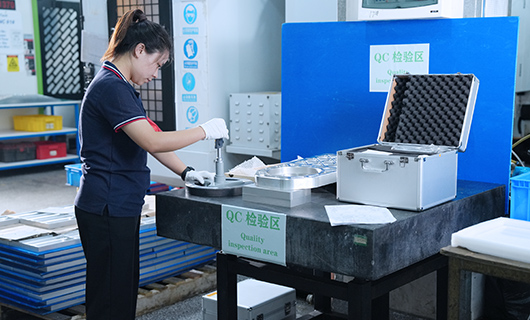
The final stage involves comprehensive cleaning and detailed inspection to ensure the cold plate is ready for integration into cooling systems. Any remaining particles, machining residues, or contaminants inside the channels are removed through high-pressure flushing or specialized cleaning processes. Engineers then perform final visual and functional inspections, confirming that the product meets design specifications, performance requirements, and customer standards. After passing all tests, the cold plates are carefully packaged to prevent contamination or damage during transportation.

In high-performance computing, liquid cold plates cool AI servers, supercomputers, and GPU clusters. They provide superior heat dissipation, stable component operation, and high energy efficiency under extreme computational and thermal loads.
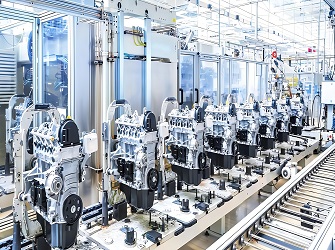
In industrial automation, liquid cold plates manage heat in controllers, robotics, and motor drives, supporting continuous operation. They maintain precise thermal conditions, protect electronics, and reduce downtime in high-demand factory environments.

In electric vehicles and battery systems, liquid cold plates remove heat from battery packs, inverters, and power electronics. They ensure safe operation, stable performance, and longer lifespan under high power loads and rapid charge/discharge cycles.

In renewable energy systems, liquid cold plates cool solar inverters, wind converters, and energy storage equipment. Efficient heat removal ensures stable energy conversion, extended device life, and consistent performance in fluctuating environmental conditions.
KINGKA provides high-performance liquid cold plates for efficient liquid cooling and thermal management in data centers, power electronics, servers, and high-performance computing systems. Through advanced engineering and custom cold plate design, we optimize cooling channels to enhance heat transfer and reduce thermal resistance, ensuring reliable cooling, stable performance, and long service life in demanding applications.
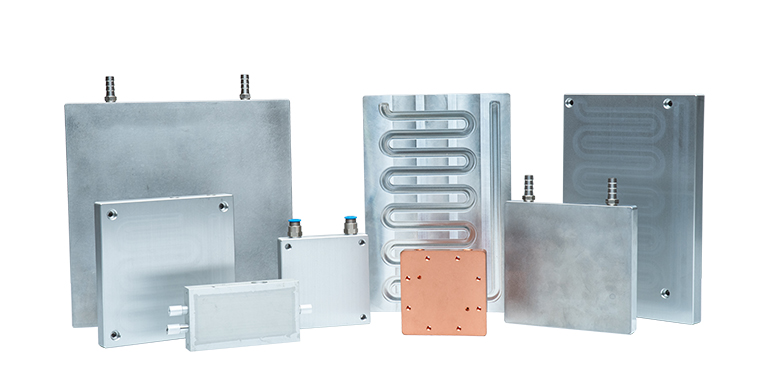
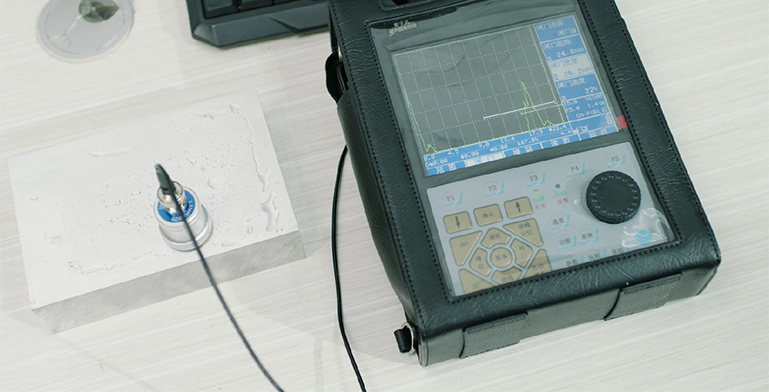
Our liquid cold plates are manufactured using advanced processes including precision CNC machining, friction stir welding (FSW), and high-precision sheet metal forming, ensuring excellent structural strength and leak-proof performance. With machining tolerances up to ±0.01 mm and optimized internal flow channel design, KINGKA delivers high-efficiency liquid cooling plates with superior thermal performance and consistent quality.
KINGKA implements a strict quality control system to ensure every liquid cold plate cooling solution meets international standards. Our production follows ISO 9001 and IATF 16949 quality management systems, supported by CMM dimensional inspection, helium leak testing, and thermal performance validation, ensuring each custom liquid cold plate delivers reliable cooling performance and long-term operational stability.
A liquid cold plate is a thermal management device used to remove heat from high-power electronic components. It uses internal cooling channels to circulate liquid coolant and efficiently transfer heat away from devices such as servers, power electronics, and data center equipment.
A liquid cold plate works by conducting heat from a heat source into a metal plate with internal cooling channels. Coolant flows through these channels, absorbs the heat, and carries it away to maintain stable operating temperatures.
FSW (Friction Stir Welding) cold plates are joined using a solid-state welding process, providing strong joints and excellent sealing performance. Brazed cold plates use high-temperature filler metal bonding, allowing complex channel designs but typically with slightly lower structural strength.
Choosing the right liquid cold plate depends on factors such as heat load, cooling performance requirements, material selection, and cooling channel design. Proper design ensures efficient cold plate cooling and reliable system operation.
Yes, liquid cold plates can be fully customized based on application requirements. Manufacturers can adjust the size, internal channel structure, inlet and outlet positions, and materials to match different thermal management needs.
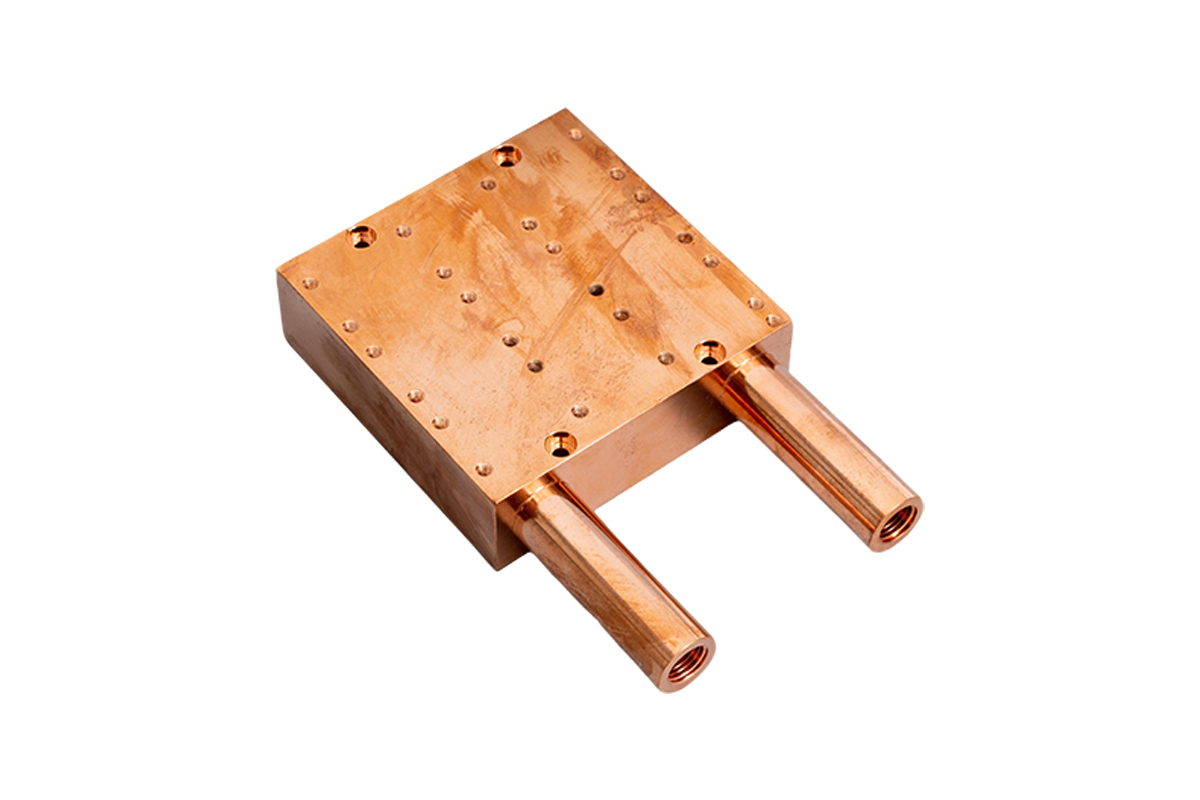
The most common materials for liquid cold plates are aluminum and copper. Aluminum offers lightweight and cost-effective cooling solutions, while copper provides higher thermal conductivity for applications requiring maximum heat dissipation.

Kingka Tech Industrial Limited
We specialize in precision CNC machining and our products are widely used in telecommunication industry, aerospace, automotive, industrial control, power electronics, medical instruments, security electronics, LED lighting and multimedia consumption.


Address:
Da Long New Village, Xie Gang Town, Dongguan City, Guangdong Province, China 523598
Email:
Tel:
+86 137 1244 4018