
We Provide First-Class
CNC Machining Services for Heat Sinks
Tolerance of +1-0.015
Wide Selection of Materials and Finishes
Fast Delivery Without Compromising Quality


Tolerance of +1-0.015
Wide Selection of Materials and Finishes
Fast Delivery Without Compromising Quality
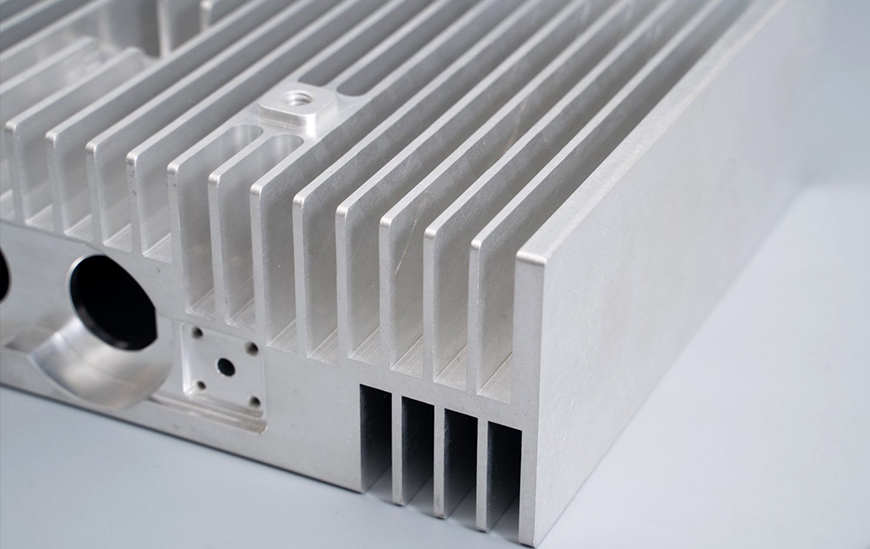
A heat sink is a key component used in thermal management systems to absorb and dissipate heat generated by electronic devices. Typically made from high-conductivity materials such as aluminum or copper, heat sinks transfer heat away from components like CPUs, power modules, LEDs, and batteries, releasing it into the surrounding air through fins or large surface areas. Heat sinks are widely used in electronics cooling, power electronics, automotive systems, and data center equipment to maintain stable operating temperatures and improve system reliability.
The core challenge in thermal management is removing heat generated by electronic and power devices. Components such as CPUs, power modules, batteries, and MOSFETs convert part of electrical energy into heat during operation. If this heat is not efficiently dissipated, rising temperatures can reduce performance, shorten component lifespan, and even cause system failure. To maintain stable operation, the heat must be transferred away from the source using effective heat dissipation solutions, typically through air cooling with heat sinks or liquid cooling with cold plates.
A heat sink works by transferring heat away from a heat-generating component and dissipating it into the surrounding air. Heat first moves from the electronic device to the heat sink base through thermal conduction, then spreads across the fins to increase the heat transfer surface area. Finally, the heat is released into the air through convection, often assisted by natural airflow or cooling fans. This process improves heat dissipation efficiency and helps maintain stable temperatures in electronic cooling and thermal management systems.
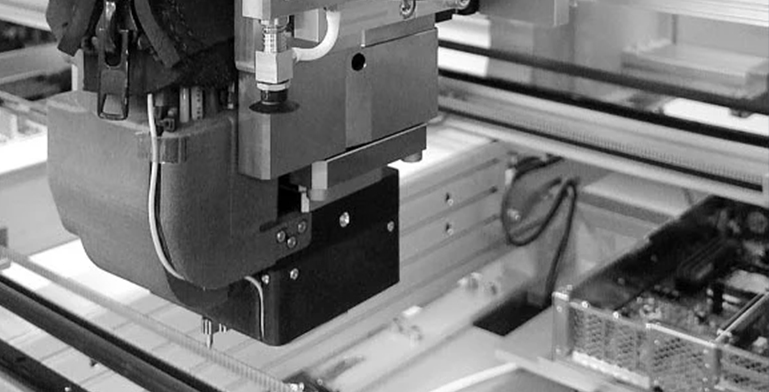
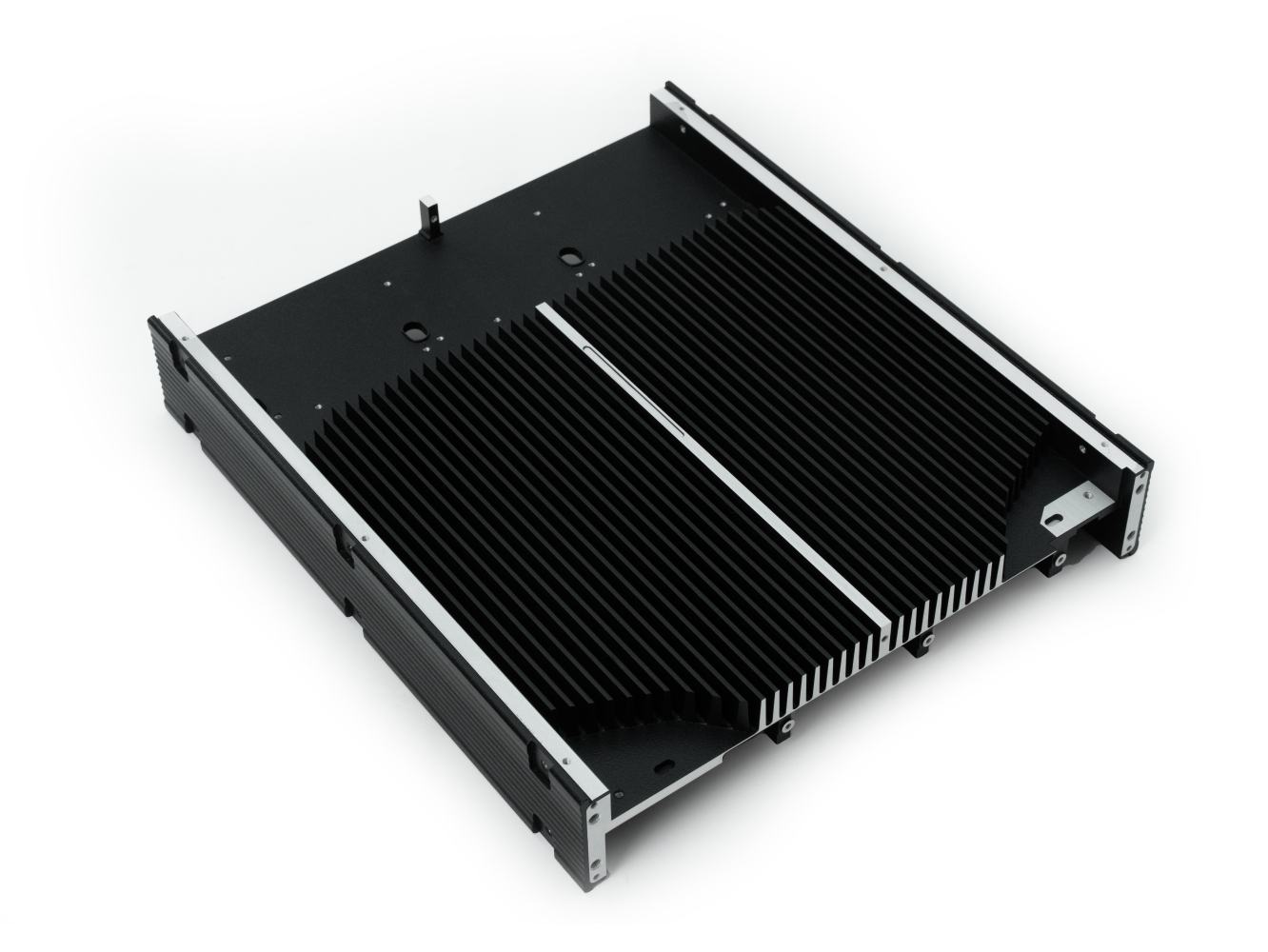
Best for: Low to medium power applications Key advantages: Cost-effective, stable quality Limitations: Fin density and height limitations Typical applications: Power supplies, LED lighting
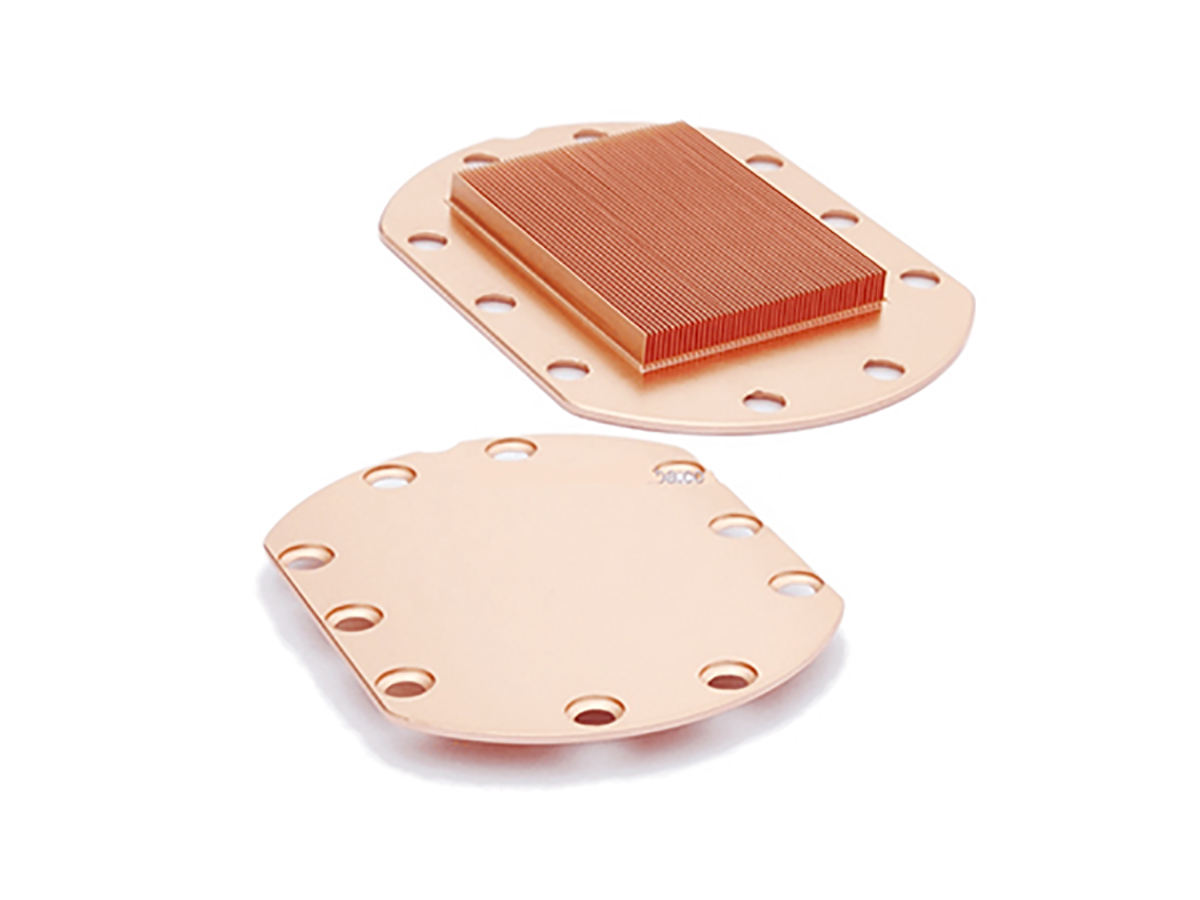
Best for: High power density designs Key advantages: Ultra-high fin density, excellent thermal performance Limitations: Higher cost than extrusion Typical applications: Servers, high-performance electronics
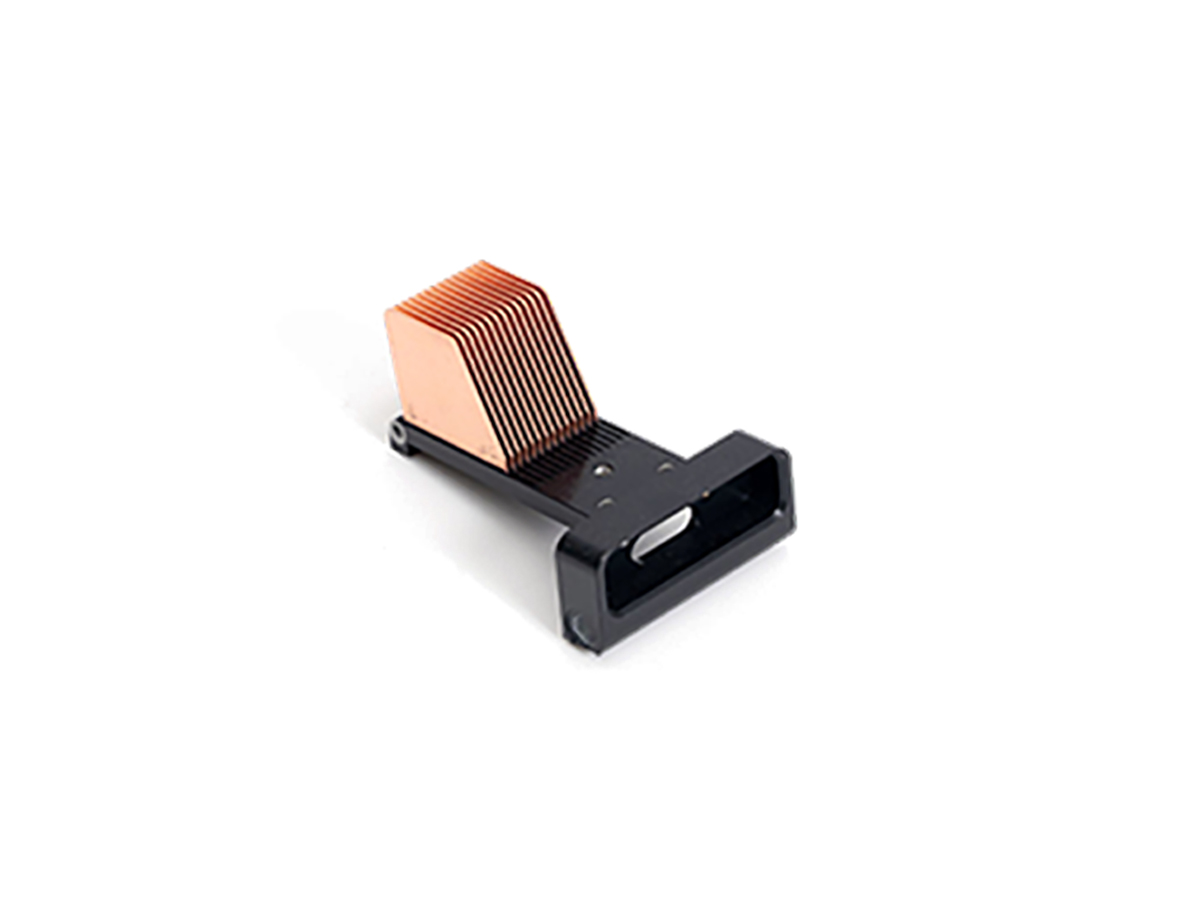
Best for: Flexible fin design requirements Key advantages: High design freedom, mixed materials Limitations: Bonding process complexity Typical applications: Industrial electronics, customized systems
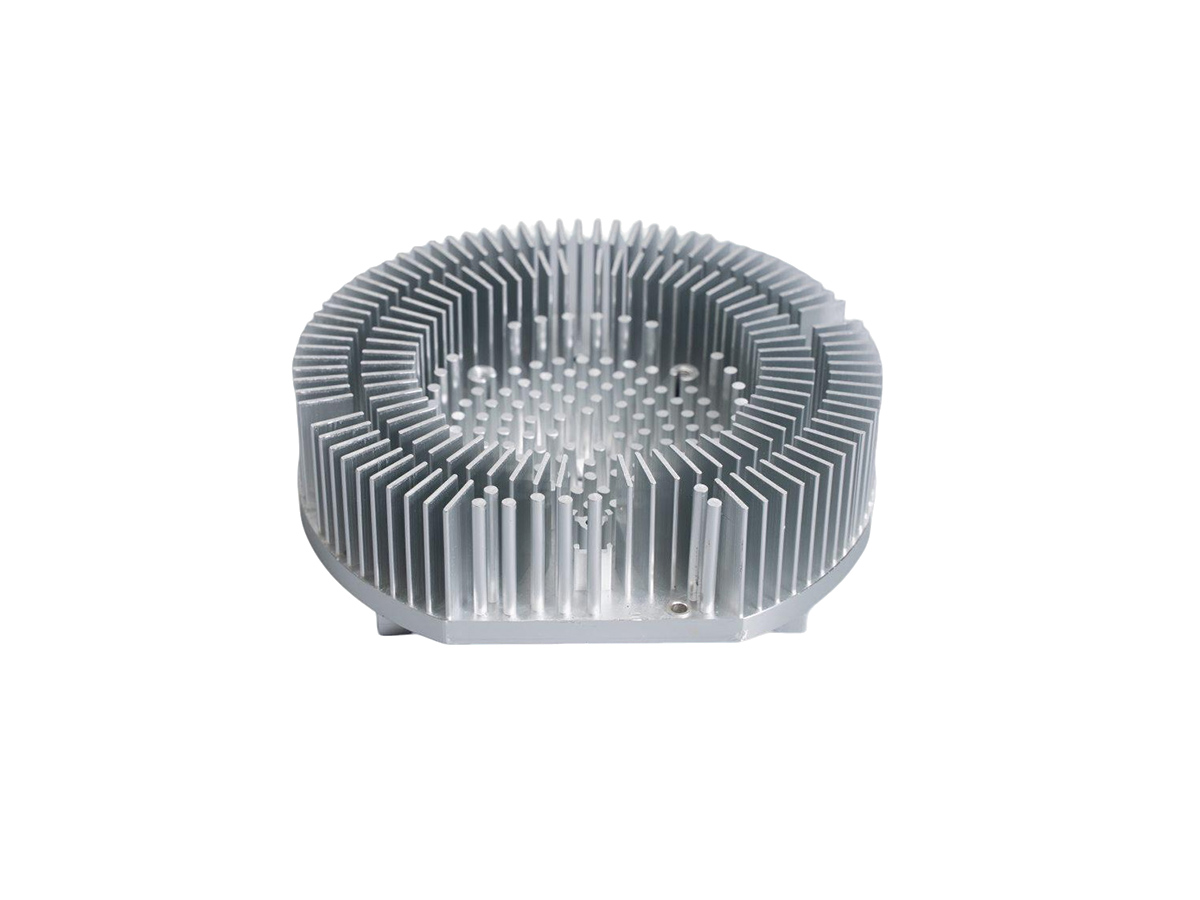
Best for: High strength and complex shapes Key advantages: Dense structure, good thermal conductivity Limitations: Tooling cost Typical applications: Automotive electronics, power modules
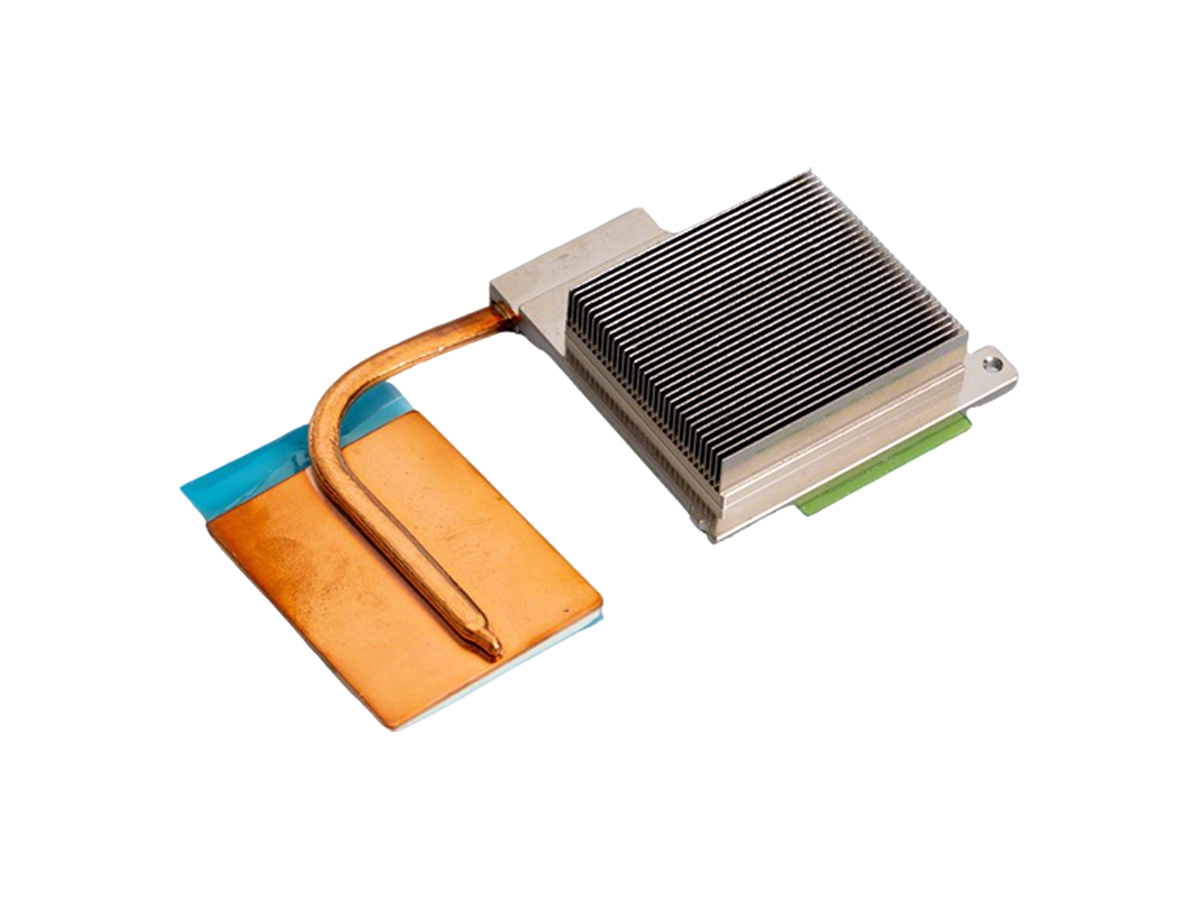
Best for: Very high heat load applications Key advantages: Superior heat transfer efficiency Limitations: System complexity Typical applications: Data centers, EV, energy storage
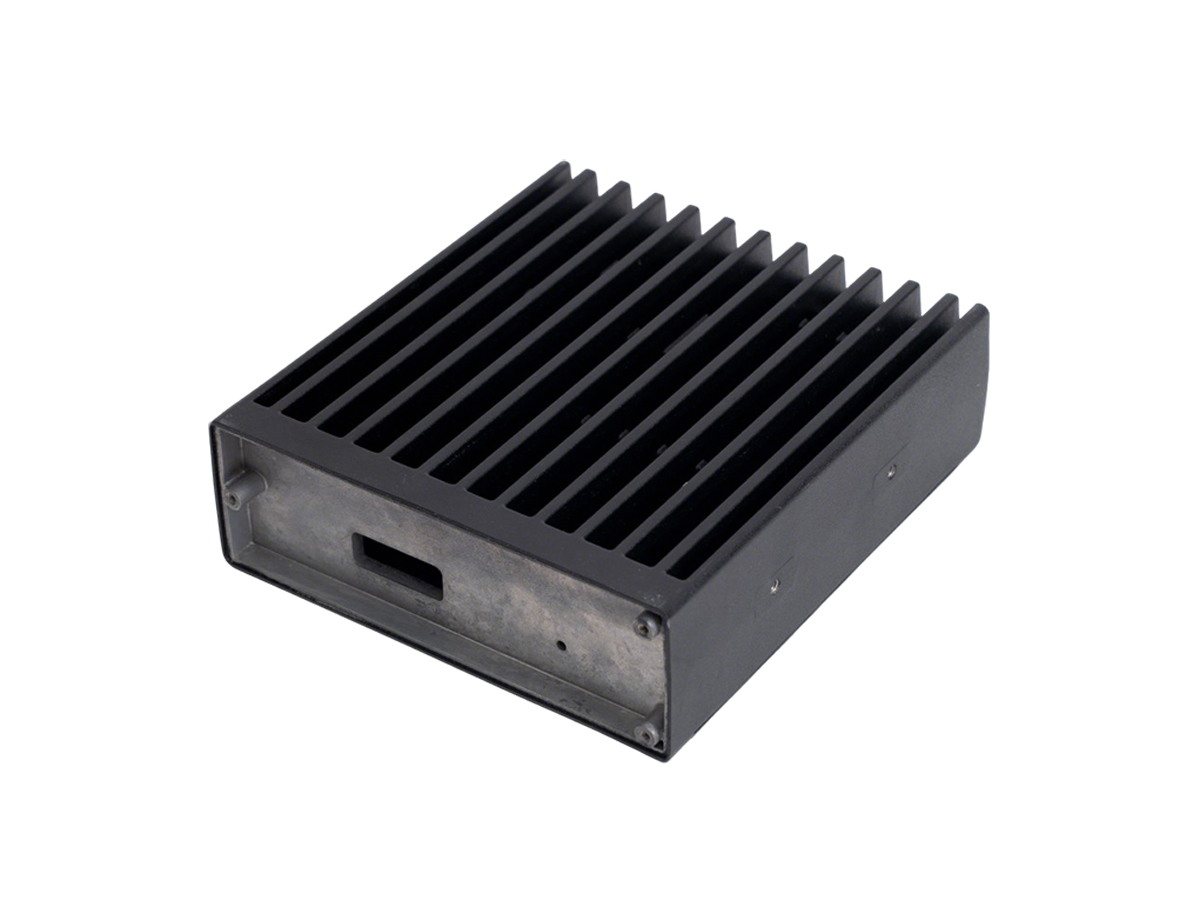
Best for: High-volume production with complex geometry Key advantages: Complex shapes, good consistency Limitations: Initial mold cost Typical applications: Consumer electronics, automotive housings
KINGKA’s thermal management solutions are engineered to deliver superior heat dissipation, precision manufacturing, and reliable performance across demanding applications such as data centers, electronics, and renewable energy systems. By combining advanced engineering design, high-precision CNC machining, and integrated manufacturing processes, we provide highly efficient custom heat sinks tailored to specific thermal requirements. With ultra-tight machining tolerances, rigorous quality inspection, and comprehensive performance testing—including leak testing and thermal validation—our solutions ensure optimal thermal efficiency, structural reliability, and long-term durability. From concept design to mass production and delivery, KINGKA offers a fully integrated, one-stop service that helps customers improve system performance while reducing overall development and manufacturing costs.
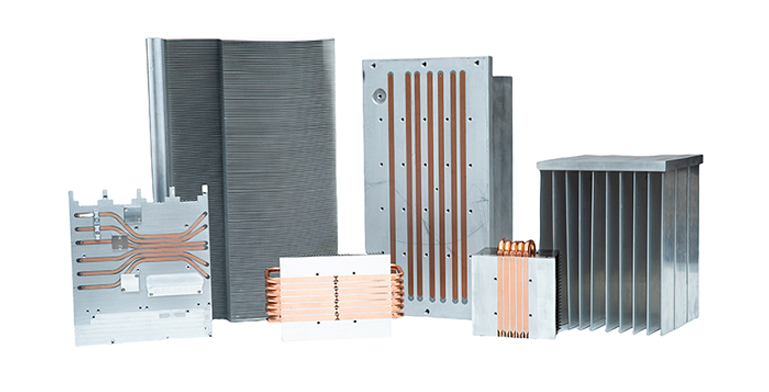
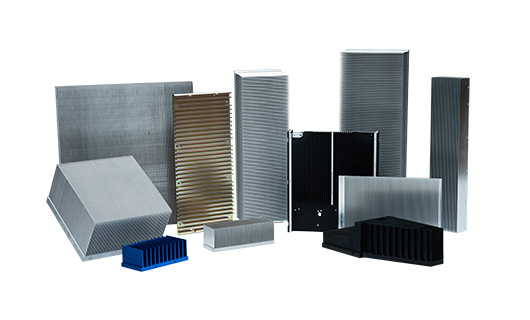
Material selection is the first step in designing high-performance heat sinks and liquid cold plates. Engineers evaluate thermal conductivity, mechanical strength, corrosion resistance, and manufacturing compatibility to determine the optimal material. Common materials include Aluminum alloys (such as Al 6061) for lightweight and cost-effective solutions, and high-purity copper (C101) for applications requiring superior thermal conductivity. Material choice is also influenced by environmental conditions, surface treatment requirements, and the thermal interface with electronic components.
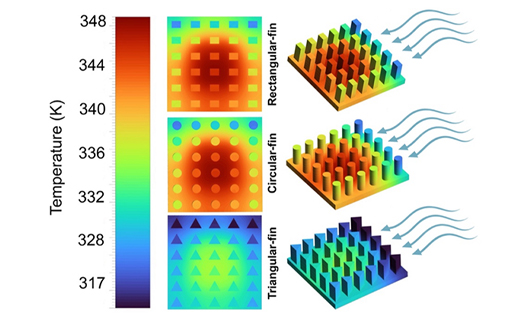
Once materials are defined, the thermal architecture is optimized through Computational Fluid Dynamics (CFD) and thermal simulation using tools such as ANSYS Fluent and Siemens STAR-CCM+. Engineers perform 3D conjugate heat transfer analysis to simultaneously model fluid flow, heat conduction, and convection. Parametric simulations explore variations in fin density, fin height, base thickness, and channel geometry to balance thermal resistance, airflow or coolant pressure drop, and system weight. For liquid cooling solutions, microchannel optimization and transient thermal analysis help ensure stable performance under real operating conditions.
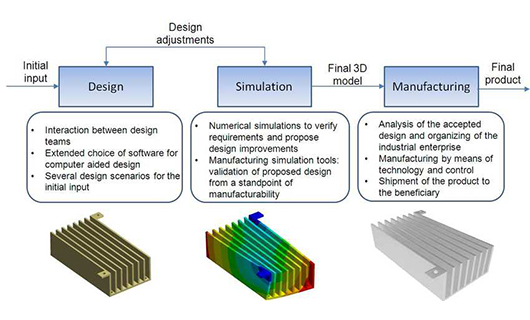
Based on the thermal design and production requirements, engineers determine the most suitable manufacturing process. Different cooling structures require different fabrication technologies, such as extrusion, skiving, CNC machining, brazing, friction stir welding (FSW), or die casting. The selection process also considers annual production volume, structural complexity, internal channel requirements, and cost efficiency. At this stage, Design for Manufacturing (DFM) principles are applied to ensure the design can be produced reliably and consistently at scale.
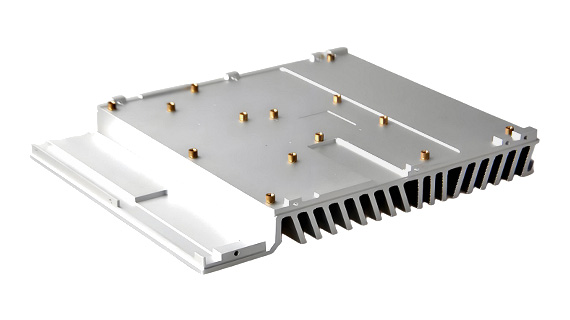
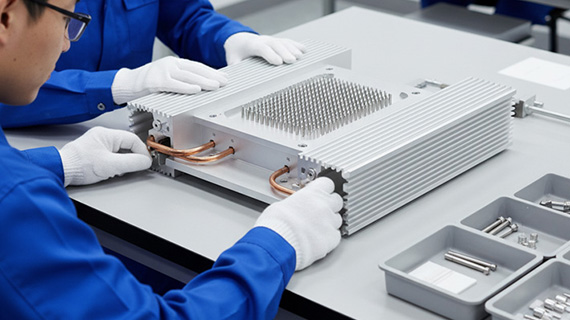
During production, high-precision machining and controlled assembly processes ensure that the final heat sink or cold plate meets design specifications. CNC machining is used for complex geometries, while processes such as brazing, welding, or mechanical assembly are applied depending on the cooling structure. Critical factors such as fin accuracy, channel integrity, dimensional tolerances, and sealing reliability are carefully controlled to maintain thermal performance and structural stability throughout the product lifecycle.
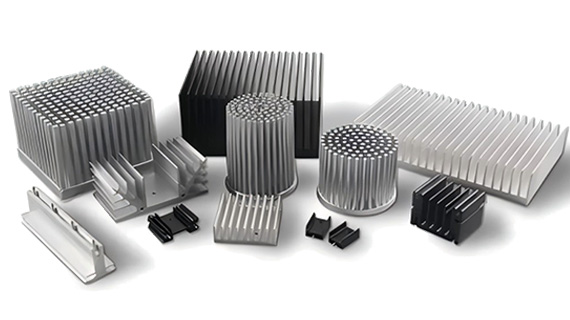
Surface finishing improves both the thermal performance and durability of heat sinks and cold plates. Treatments such as anodizing, nickel plating, or corrosion-resistant coatings enhance heat radiation, protect against oxidation, and increase resistance to harsh operating environments. Proper surface treatment also improves compatibility with thermal interface materials (TIMs) and ensures long-term reliability in demanding applications such as automotive electronics, industrial power systems, and data center infrastructure.
Before final delivery, products undergo comprehensive testing and validation to verify thermal and mechanical performance. Thermal testing includes airflow wind tunnel testing for air-cooled heat sinks and closed-loop coolant testing for liquid cold plates, measuring parameters such as temperature rise, pressure drop, and heat dissipation efficiency. Additional reliability tests may include thermal cycling, vibration testing, pressure testing, and corrosion resistance evaluation. Test results are correlated with simulation models to ensure the final product meets performance targets and operates reliably in real-world conditions.

In power electronics, heat sinks are essential for dissipating heat generated by high-power components such as IGBTs, MOSFETs, rectifiers, and power modules. Effective heat dissipation helps maintain stable operating temperatures, improve system efficiency, and prevent thermal failure. Heat sinks are widely used in inverters, converters, motor drives, and industrial power supplies, where reliable thermal management is critical for long-term performance.

In electric vehicles (EVs), heat sinks play an important role in cooling power control units, onboard chargers, DC-DC converters, and battery management systems. As EV systems operate under high power densities, efficient heat dissipation is necessary to ensure electronic reliability and energy efficiency. Proper thermal management also helps extend component lifespan and maintain stable vehicle performance under demanding operating conditions.

In data centers, heat sinks are widely used to cool server CPUs, GPUs, power supplies, and networking equipment. With the rapid growth of high-performance computing and AI workloads, electronic components generate significant heat that must be efficiently removed to maintain stable operation. High-performance heat sinks help improve thermal efficiency, energy utilization, and system reliability in modern data center infrastructure.
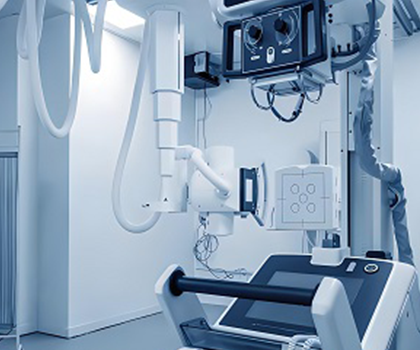
In medical devices, heat sinks are used to manage heat in sensitive electronic systems such as medical imaging equipment, diagnostic devices, and laser systems. Reliable thermal management ensures precise operation, protects temperature-sensitive components, and maintains consistent performance during continuous use. Efficient heat dissipation is particularly important in medical environments where stability, safety, and long-term reliability are essential.
KINGKA offers custom heat sinks designed for efficient thermal management in electronics, data centers, automotive, and industrial systems. Our aluminum heat sinks, copper heat sinks, and skived fin heat sinks reduce thermal resistance and improve heat dissipation, ensuring high-performance cooling and system reliability. We provide tailored solutions with optimized fin density, base thickness, and airflow design to meet diverse application needs.
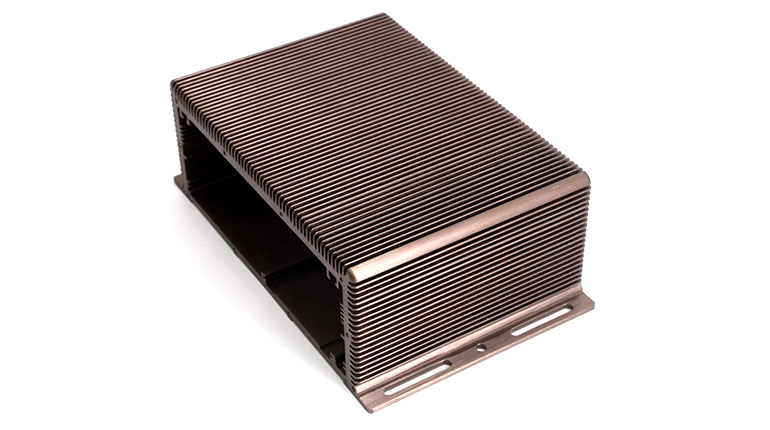
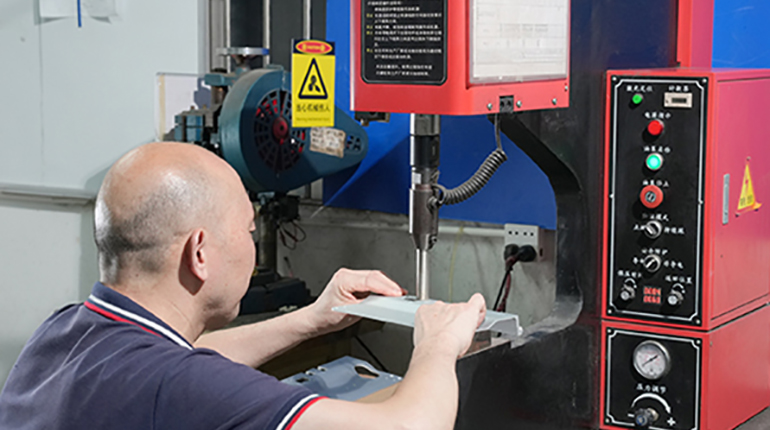
We combine CNC machining, extrusion, skiving fin, and precision stamping to produce high-precision heat sinks. Skived fin and extruded heat sinks maximize heat transfer area, while tight tolerances and precise base flatness ensure excellent thermal contact. Our integrated process guarantees consistent quality and efficient thermal performance.
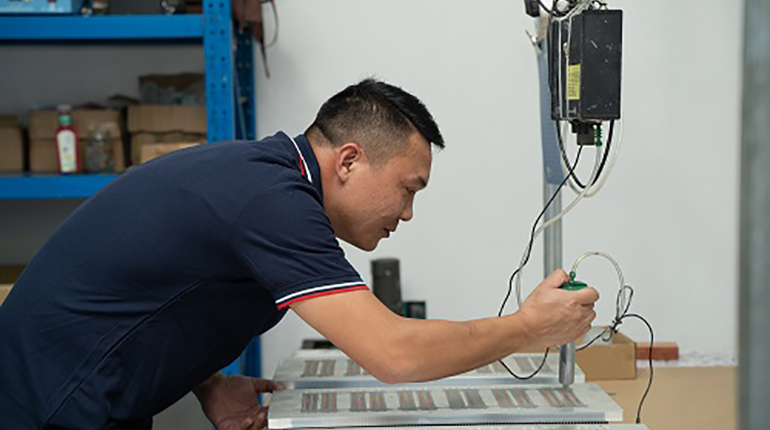
Every heat sink undergoes strict inspection, including CMM measurement, surface roughness testing, and coating verification, ensuring dimensional accuracy and durability. Certified under ISO 9001 and IATF 16949, our quality control ensures every custom heat sink meets international standards and delivers reliable thermal management performance.
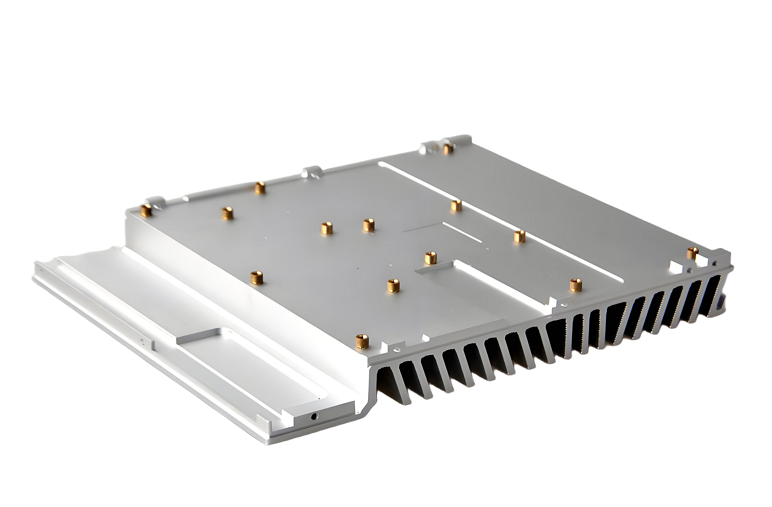
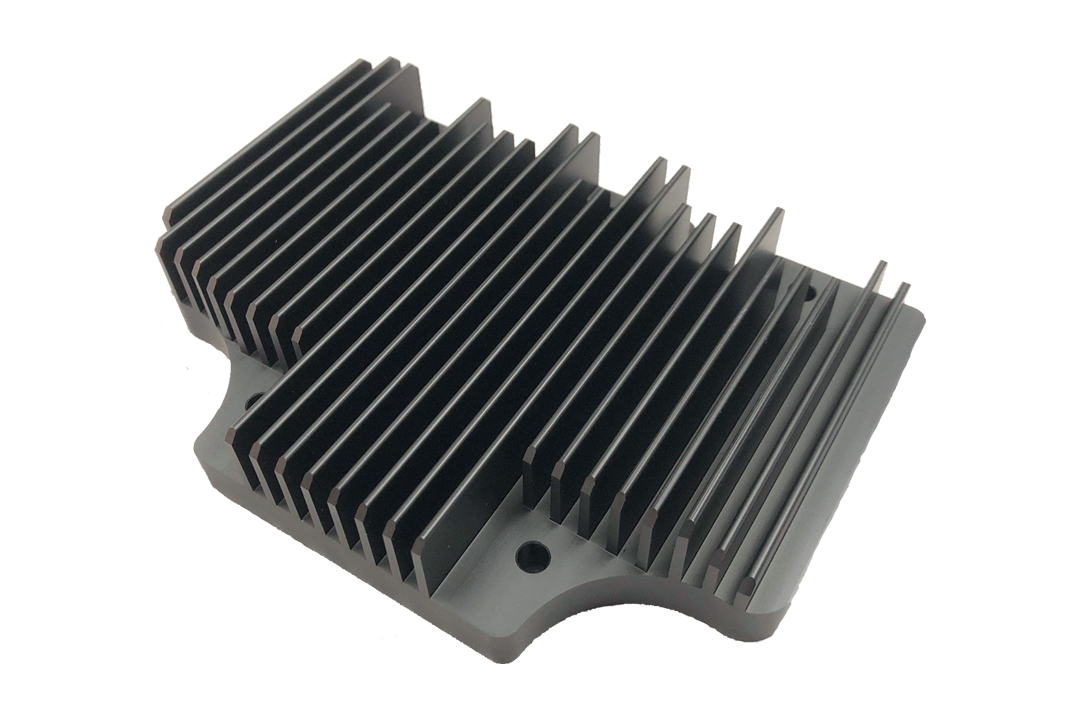
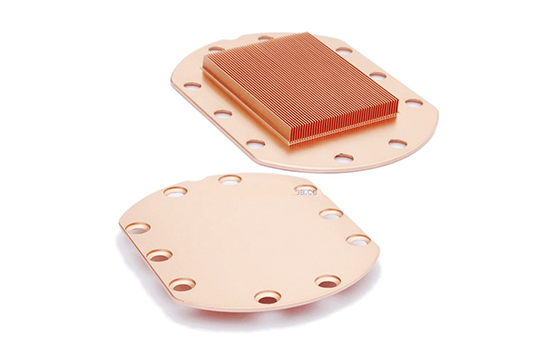
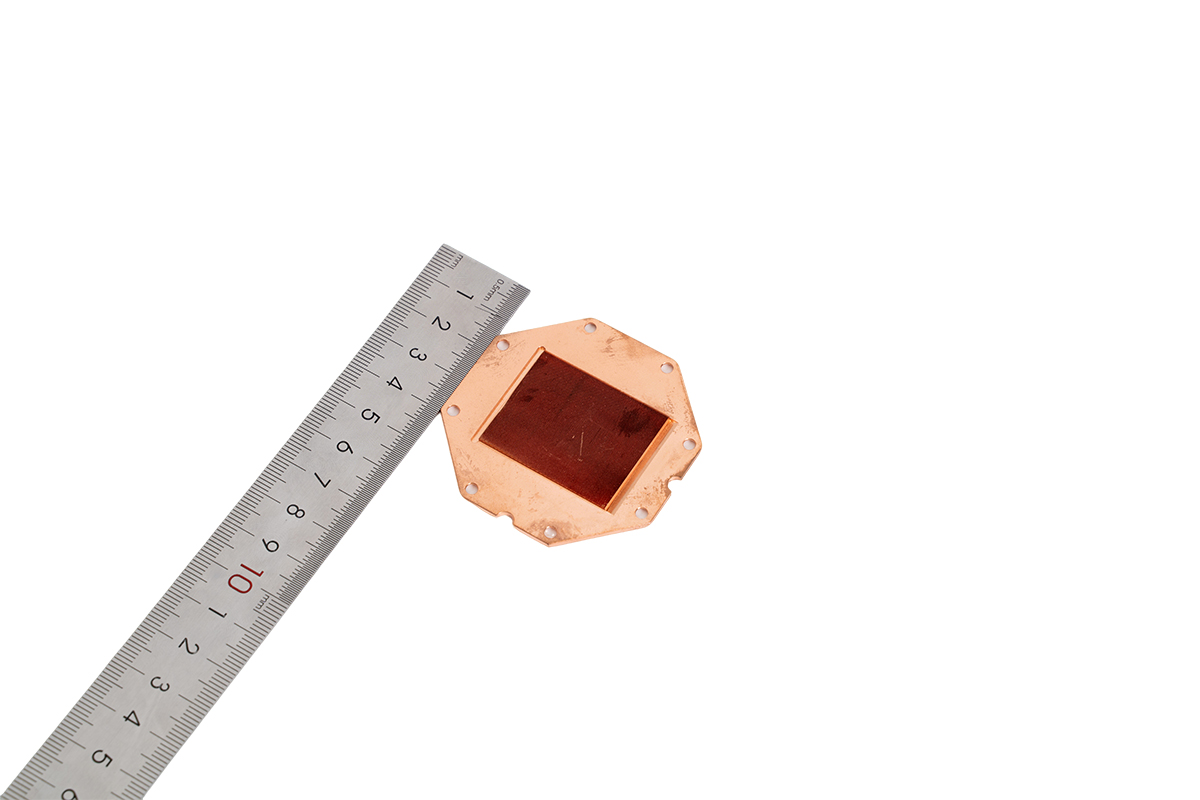
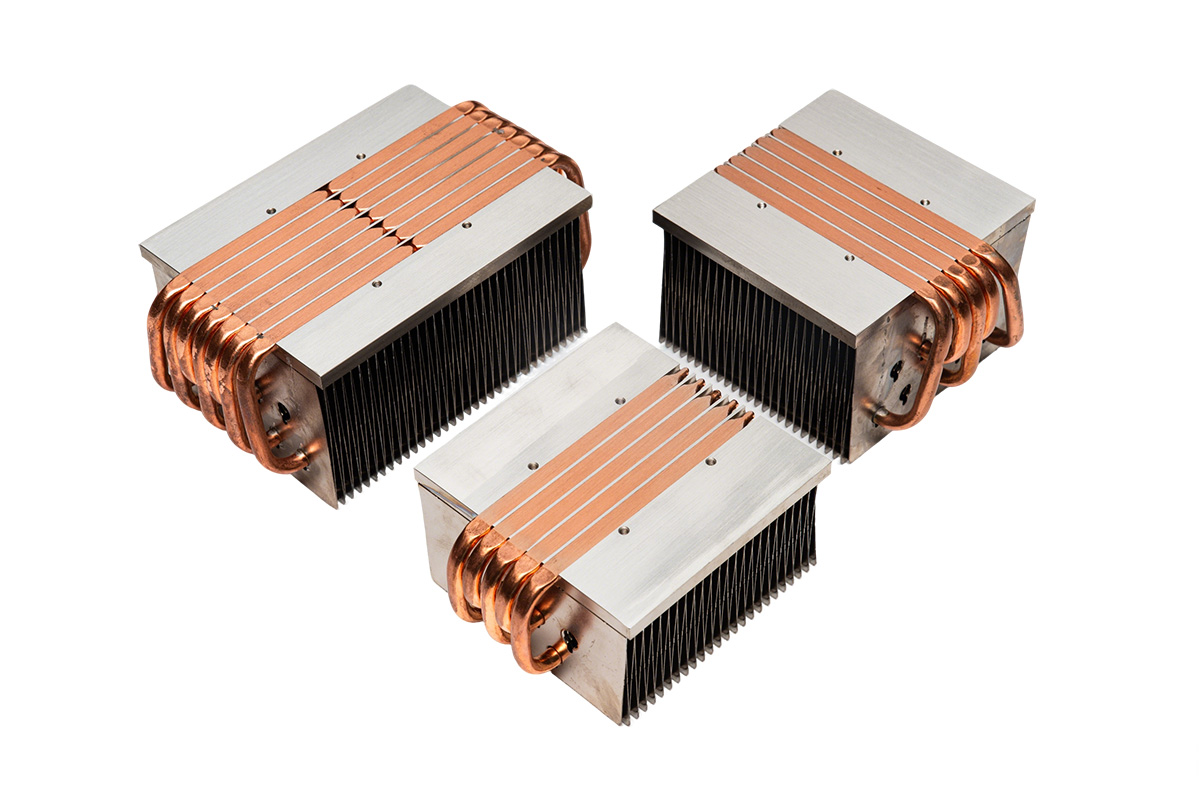
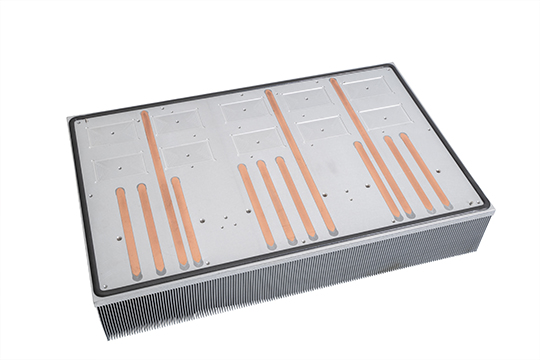
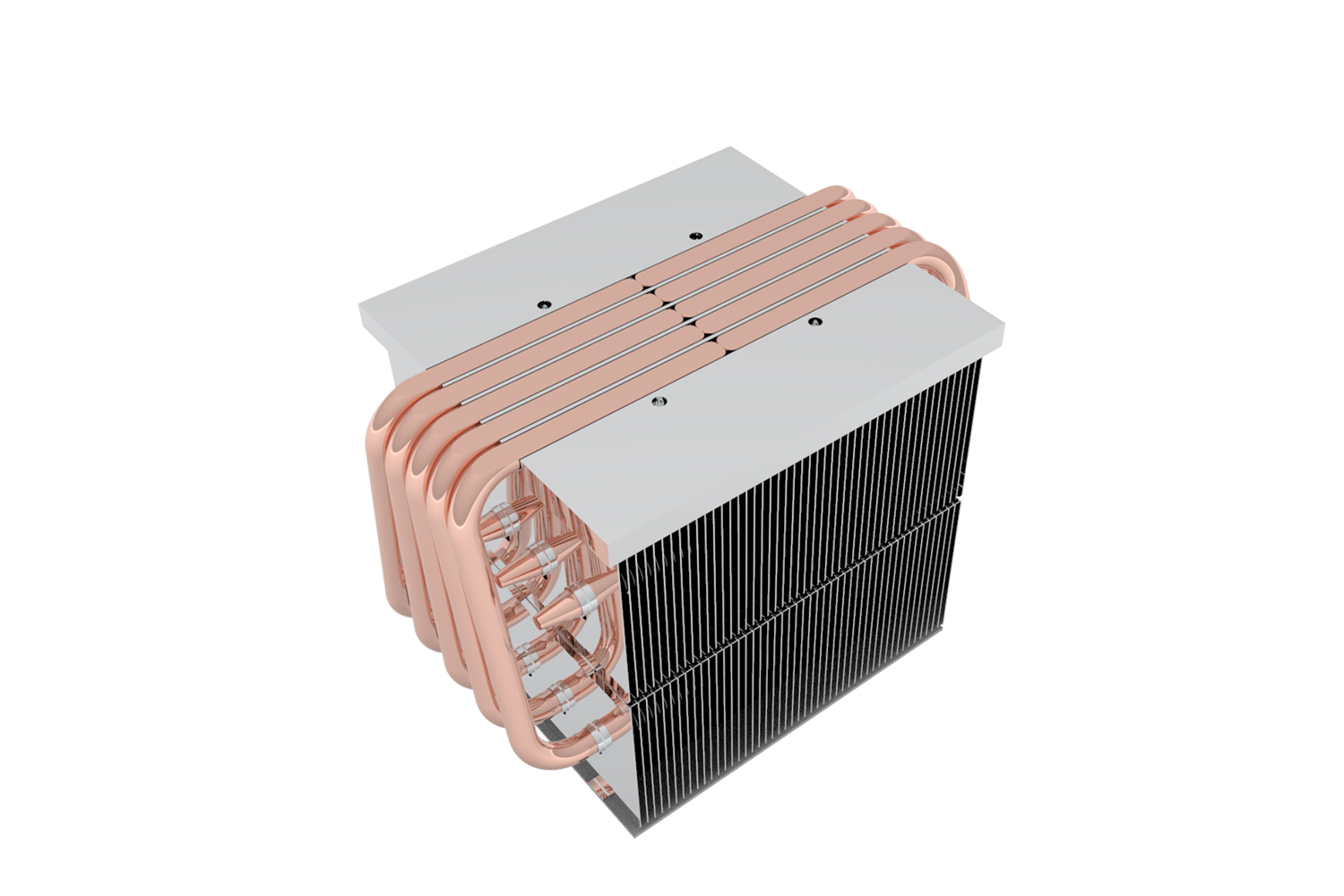
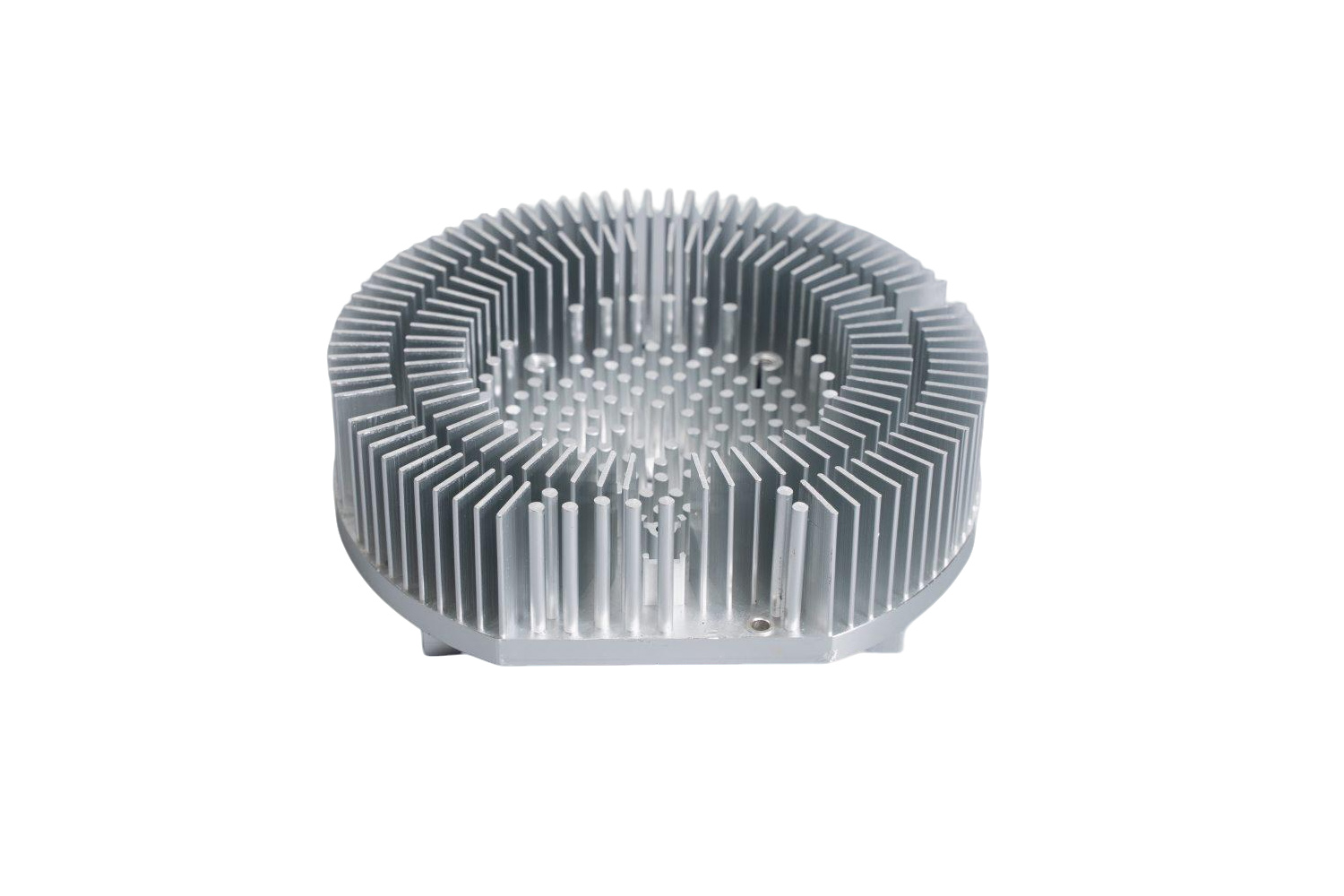
A heat sink is a thermal management device designed to dissipate heat generated by electronic components such as CPUs, GPUs, power electronics, LED modules, and industrial devices. Heat sinks are typically made from high thermal conductivity materials like aluminum or copper, which allow efficient heat transfer from the component to the surrounding air. They feature structures such as fins, plates, skived fins, or extruded profiles to maximize surface area and enhance cooling efficiency. High-performance heat sinks are essential in preventing overheating, thermal throttling, and potential component failure in both consumer and industrial applications.
A heat sink operates by absorbing heat from a hot component and transferring it to the surrounding environment. The metal base of the heat sink conducts heat away from the component, while the fin structures increase the surface area to improve heat dissipation. Cooling is typically enhanced by airflow, either from natural convection or fans, which carries heat away from the fins. Some heat sinks may also incorporate copper heat pipes or cold-forged fin designs to further improve thermal performance. The combination of material selection, fin geometry, and airflow design determines the overall efficiency of the heat sink.
The primary purpose of a heat sink is to maintain optimal operating temperatures for electronic components. By efficiently removing heat, a heat sink ensures system stability, continuous performance, and longer component lifespan. Without a proper heat sink, devices like CPUs, GPUs, power modules, and LED chips may experience thermal throttling, reduced efficiency, or permanent damage. Modern heat sinks are designed not only for heat dissipation but also for low noise operation, compact design, and compatibility with various mounting configurations.
In computers, a heat sink is typically mounted on the CPU, GPU, or chipset to manage the high heat generated during processing. These computer heat sinks are usually made from aluminum or copper, sometimes with finned designs, heat pipes, or vapor chambers, to enhance cooling efficiency. Most computer heat sinks work in combination with fans or case airflow to maintain stable temperatures. Effective heat sinks prevent thermal throttling, allowing the computer to run reliably under heavy workloads such as gaming, video editing, or server operations.
A CPU heat sink is a specialized heat sink designed specifically for the central processing unit of a computer. It typically consists of a metal base (aluminum or copper), a series of fins or skived structures, and sometimes integrated heat pipes. The CPU heat sink transfers heat away from the processor to prevent overheating and maintain optimal clock speeds and performance. High-performance CPU heat sinks are essential for gaming PCs, workstations, and overclocked systems, ensuring both efficiency and reliability.
The best heat sink for a PC depends on the processor type, power consumption, and intended use:
Air-cooled heat sinks with large aluminum or copper fins and high airflow fans are suitable for most desktop PCs, offering reliable cooling at an affordable cost.
Skived fin or cold-forged heat sinks provide higher surface area and superior heat transfer, ideal for overclocked systems or high-performance gaming rigs.
Multi-finned aluminum or copper heat sinks with optimized base flatness ensure maximum thermal contact with the CPU for consistent cooling.
Choosing the right heat sink ensures efficient heat dissipation, stable performance, low noise levels, and longer component lifespan. Proper selection also improves overall system reliability and energy efficiency, making it a critical component in any PC build.

Kingka Tech Industrial Limited
We specialize in precision CNC machining and our products are widely used in telecommunication industry, aerospace, automotive, industrial control, power electronics, medical instruments, security electronics, LED lighting and multimedia consumption.


Address:
Da Long New Village, Xie Gang Town, Dongguan City, Guangdong Province, China 523598
Email:
Tel:
+86 137 1244 4018